
Many parents reach this point in June or July: plans changed, travel dates shifted, a child suddenly needs more structure, or the family simply did not have time to compare camps earlier. That does not mean summer is lost.
A late decision should not become a rushed decision. The goal is to compare realistic options, check the basics carefully, and choose a camp that fits your child’s age, language level, confidence, interests and travel situation.
A good camp is not just a place to keep a child busy. It can give structure, language practice, friends, sport, independence and a new environment — all in one supervised setting.
Based on CampsBooking’s camp database, parent decision factors and common late-booking concerns.
Key Takeaways
Summer Is Not Lost
Even if you started late, you can still compare realistic camp options and decide calmly.
Do Not Choose Blindly
Before sending an inquiry, check age range, dates, supervision, accommodation, transfers and what is included.
Camp Is More Than Lessons
A tutor gives lessons. A camp gives your child a full environment: routine, friends, activities, language practice and independence.
Short Programs Can Still Help
Even one or two weeks can give a child structure, confidence and a change of environment when summer plans have fallen apart.
Start With a Shortlist
Instead of comparing every camp online, start with a few options that match your child’s
Compare the Full Value
A tutor gives lessons. A camp can combine learning, routine, friends, sport, activities, meals, supervision and independence in one structured week.
Why Parents Choose This
A Full Environment, Not Just Lessons
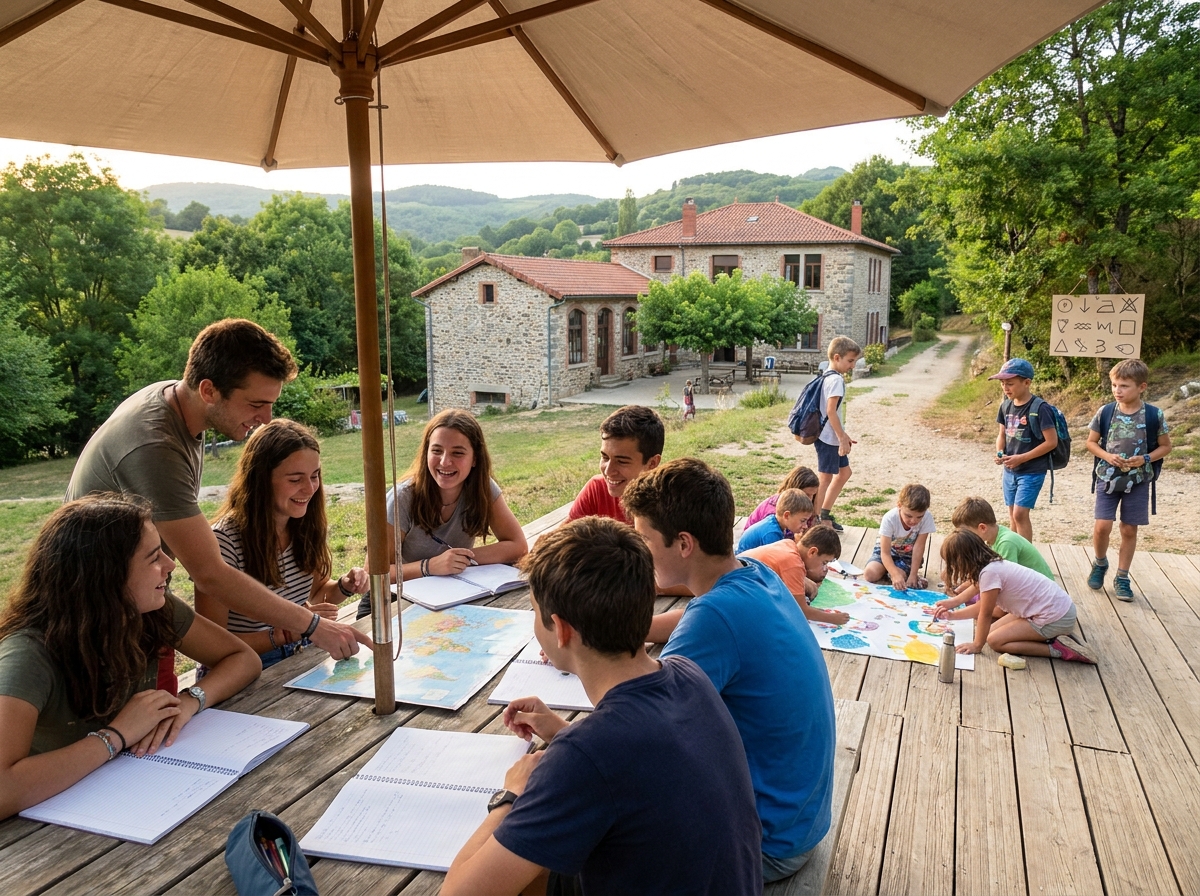
Tutoring usually gives a child one focused lesson at a time. A camp creates a full daily environment where language, routine, activities, meals, sport and social interaction happen together.
Structure When Summer Feels Unplanned
If your original summer plans changed or you started late, camp can bring back structure: scheduled days, supervised activities, learning time, meals, rest and time with peers.
Friends, Confidence and Independence
Many children need more than academic progress. Camp gives them chances to speak, join activities, meet other children and practice being more independent away from home.
Less Planning Pressure for Parents
Instead of building a summer plan from separate tutors, activities, meals, transport and supervision, parents can start with one structured camp environment and compare what is already included.
Choosing a summer camp abroad is not just about filling time. It can give your child language practice, friends, routine, sport, independence and a wider view of the world — while helping you make one calmer decision instead of managing everything separately.
Understanding the Real Value of a Summer Camp
Parents often compare camp prices with the cost of extra tutoring. But this is not a like-for-like comparison. A tutor gives lesson time. A residential or full-day camp can combine learning, daily routine, meals, accommodation, supervision, sport, activities, excursions, social life and independence in one structured environment.
What Camp Fees May Include
- ✓Accommodation and meals
- ✓Language lessons or educational workshops
- ✓Daily routine and supervised activities
- ✓Sport, excursions or creative activities
- ✓24/7 supervision and support
What Affects the Price
Location of the camp
Residential camps, city campuses, mountain programs and premium boarding-school settings may have very different cost structures.
Duration and intensity
A one-week program, a two-week residential camp and a full academic-style course should not be compared only by headline price.
What is included
Meals, accommodation, excursions, airport transfers, sport, supervision and specialist activities can change the real value of the program.
How Parents Should Compare Value
- →Check what is included before comparing prices.
- →Compare the full environment, not only classroom hours.
- →Look at age fit, supervision, accommodation, transfers and daily structure.
- →If booking late, confirm current dates and prices before making travel plans
A tutor gives lessons. A camp gives your child an environment. For many families, that wider environment is the real value: language practice, friends, routine, sport, independence and a broader view of the world.
Frequently Asked Questions
Recommended services
Some links may be affiliate partnerships.
Free English level test before camp
Check your child’s English level before choosing a language camp. Use the result to decide whether extra speaking practice may be helpful before departure. Disclosure: Affiliate disclosure: the English level test is free. If you later book lessons through Preply using this link, we may earn a commission at no additional cost to you.
Get an eSIM Global
Set up mobile data before departure and stay connected throughout your child’s camp trip.
Compare private transfers
Compare independent airport transfer options for your family before or after the camp trip.
Ready to Compare Realistic Camp Options?
If you started late or your plans changed, begin with a calm shortlist. Compare camps that match your child’s age, interests, travel situation and level of independence — then check dates and next steps before making plans.
Dates, prices and places can change quickly at this stage of the season, so it is best to check current details before making travel plans.
Compare camps that may fit your child’s age, interests, travel situation and level of independence. Dates, prices and places can change quickly, so check current details before making travel plans.

Caterham, United Kingdom
From $2,644per week

Caterham, United Kingdom
From $3,371per week

Caterham, United Kingdom
From $3,371per week

Caterham, United Kingdom
From $3,371per week

Caterham, United Kingdom
From $2,479per week

Soltendieck, Germany
From $532per week

Biograd na Moru, Croatia
From $559per week

Pakostane, Croatia
From $526per week

Rimini, Italy
From $537per week




Rimini, Italy
From $559per week

Siófok, Hungary
From $503per week

Dzwirzyno, Poland
From $492per week

Mirow, Germany
From $436per week

Naumburg (Saale), Germany
From $402per week


Vallendar, Germany
From $447per week
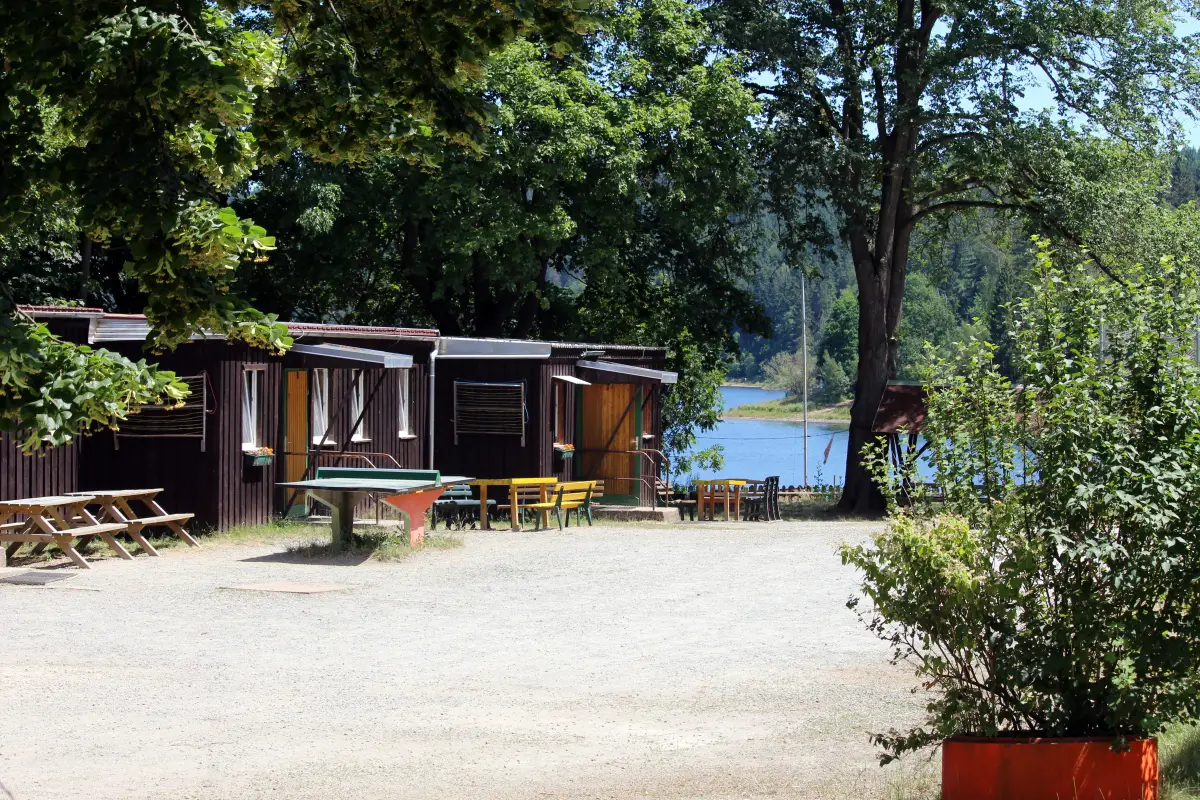
Saalburg-Ebersdorf, Germany
From $403per week
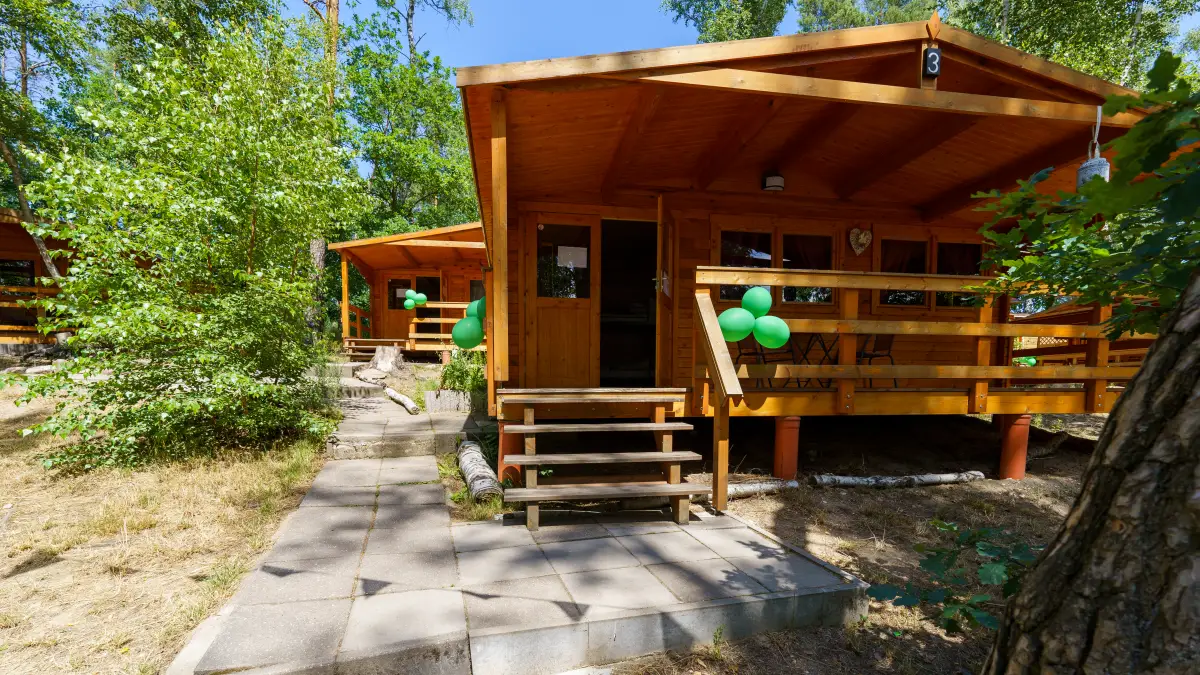
Bad Schmiedeberg, Germany
From $414per week
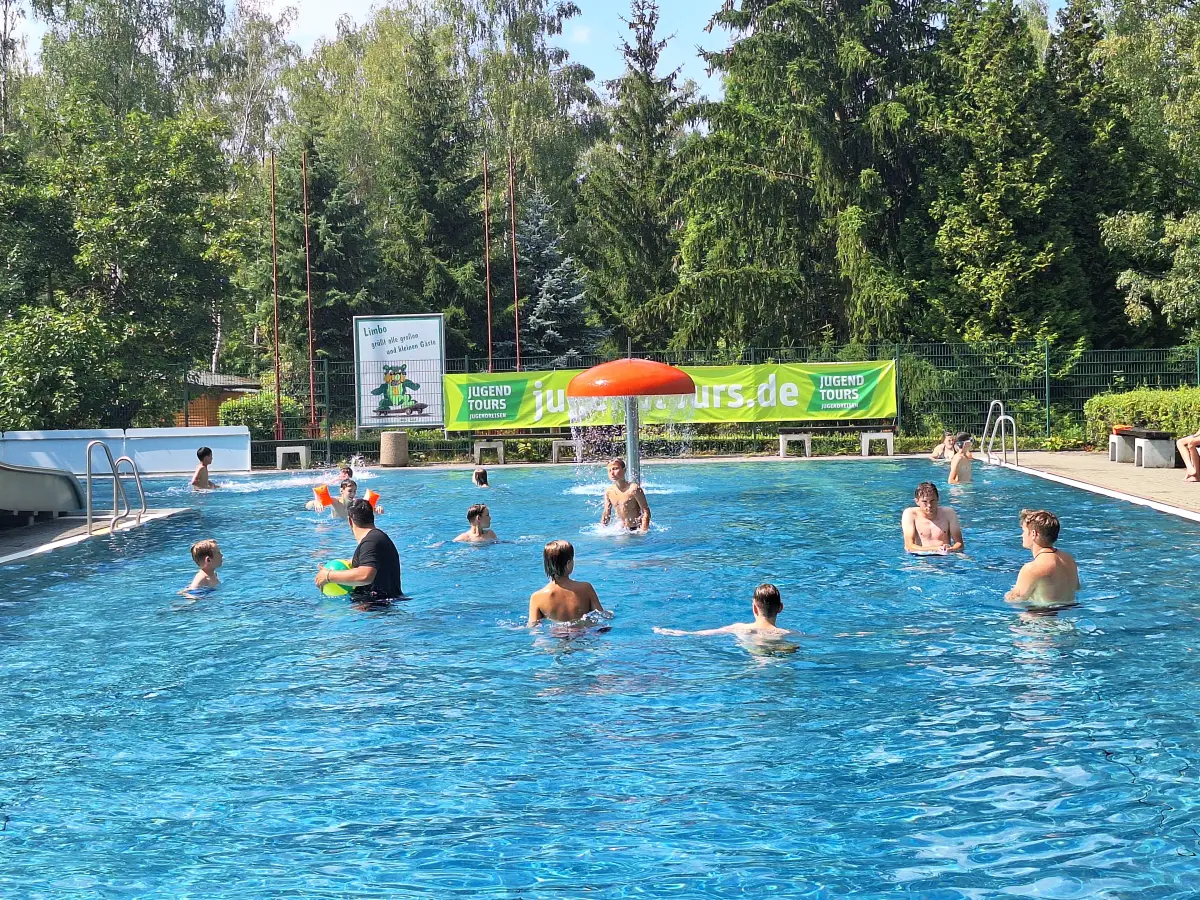
Limbach-Oberfrohna, Germany
From $470per week
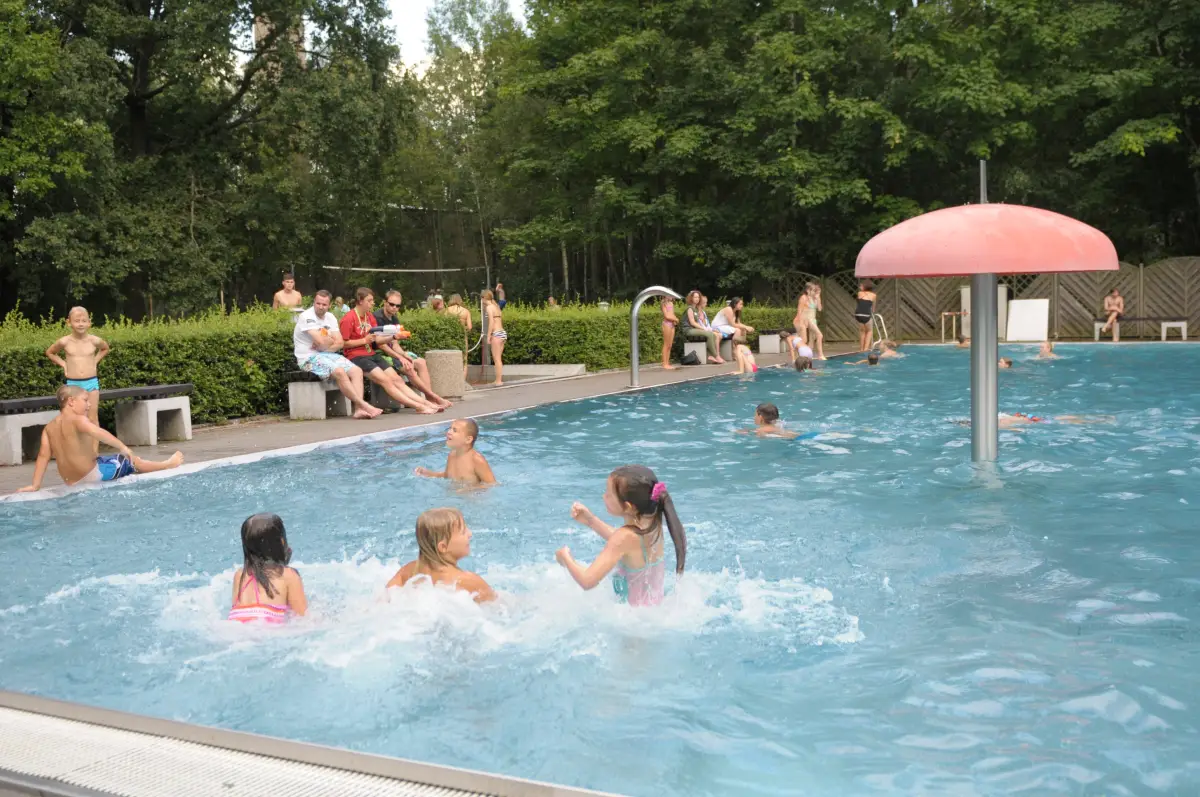
Limbach-Oberfrohna, Germany
From $425per week
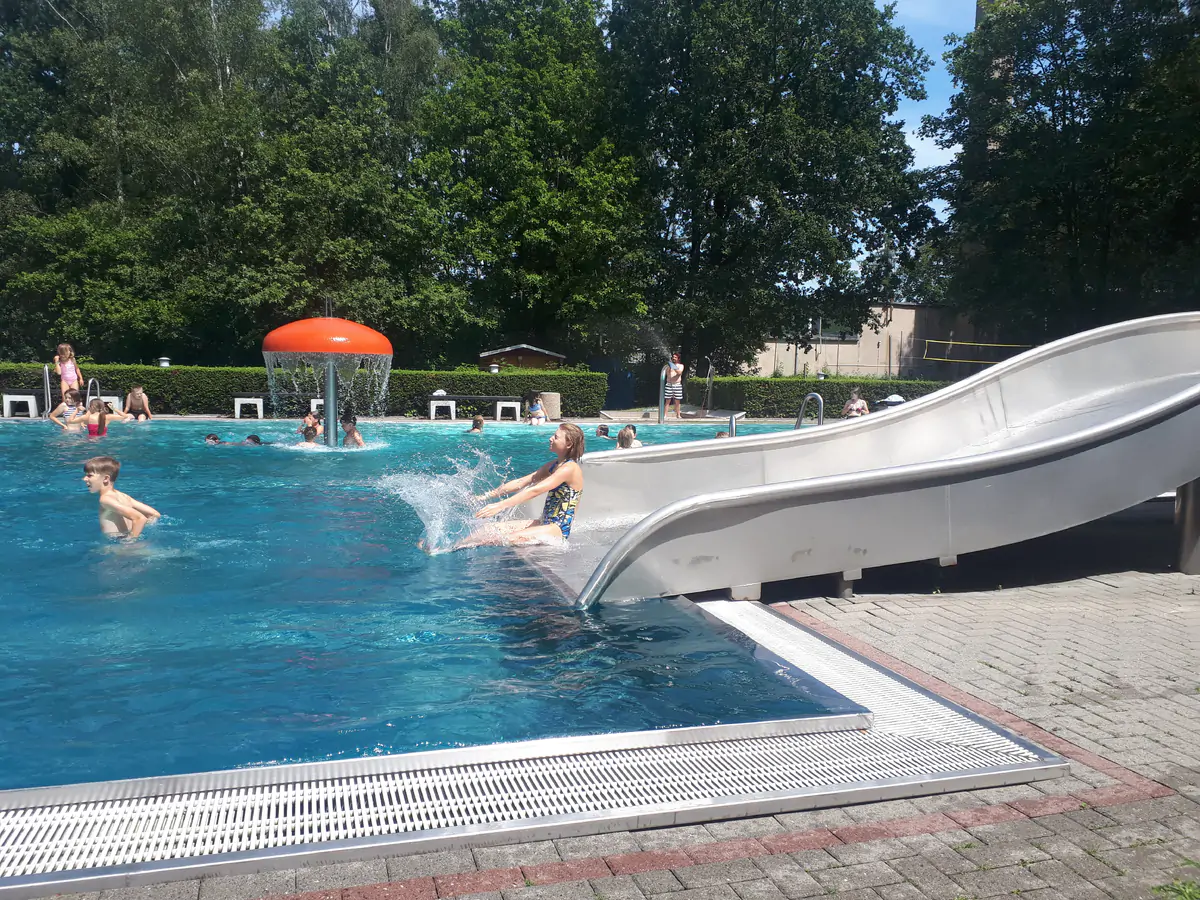
Limbach-Oberfrohna, Germany
From $470per week
Top picks

German Courses for Juniors and Teenagers in Bad Schussenried
Bad Schussenried

IELS Malta Young Learners Summer Camp
Sliema

Alpha School Malta — Teen English Course, St Paul's Bay
St Paul's Bay

Europass Junior Summer Camp in Florence
Florence

SKOLA Regent's Park — Summer, Winter & Easter English Day Camp
London

Duke of Edinburgh Gold Residential – The Towers, Snowdonia
Betws-y-coed
Price guide
- From (p25)
- 1611 USD
- Median
- 2850 USD
- Camps in sample
- 42
Based on 42 camps in our catalogue with upcoming sessions — not only the camps featured in this guide.
Related camps

Benenden Summer School — Sustainable Futures
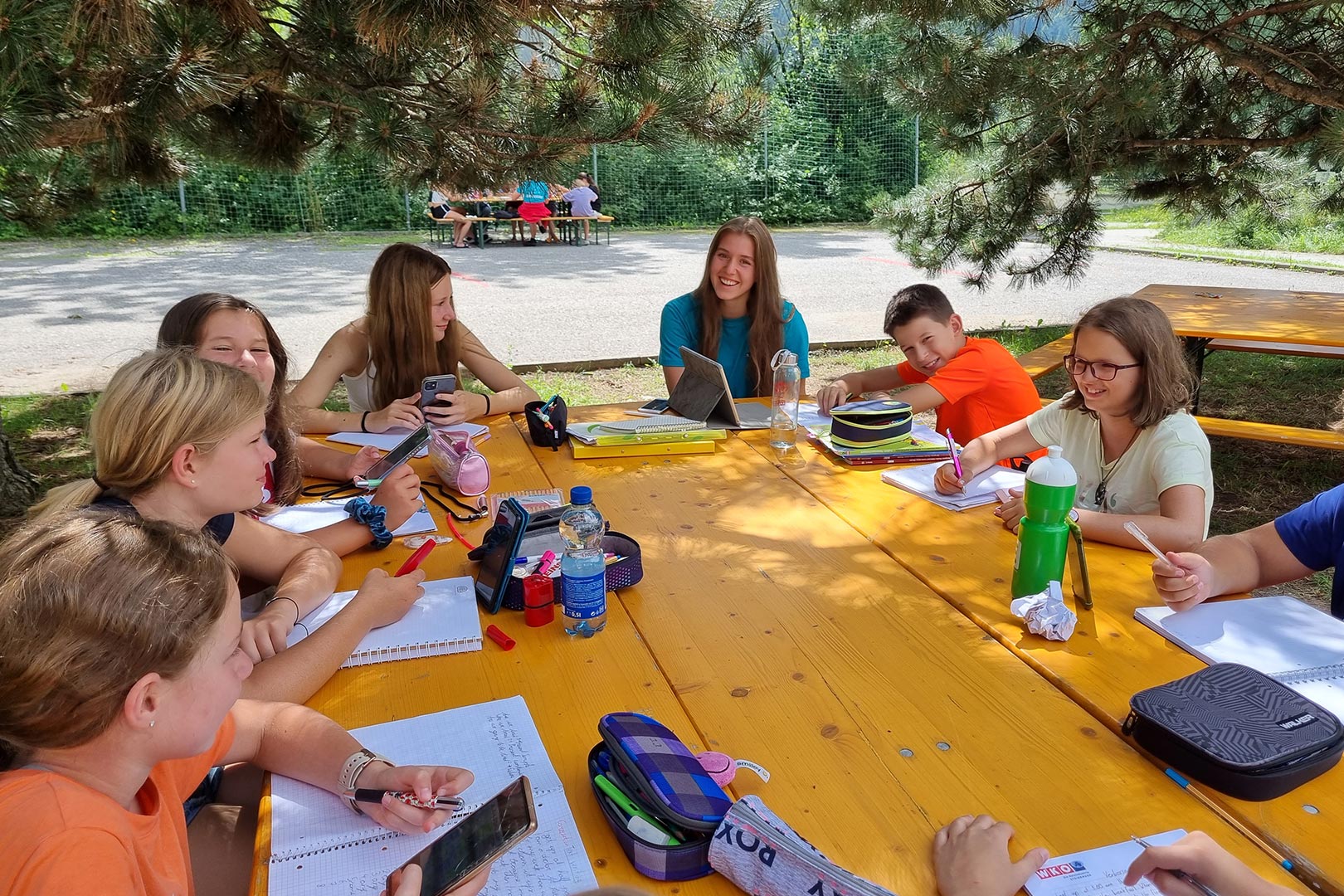
Englischcamp
Flattach

Yale Young Global Scholars — Yale Campus, New Haven
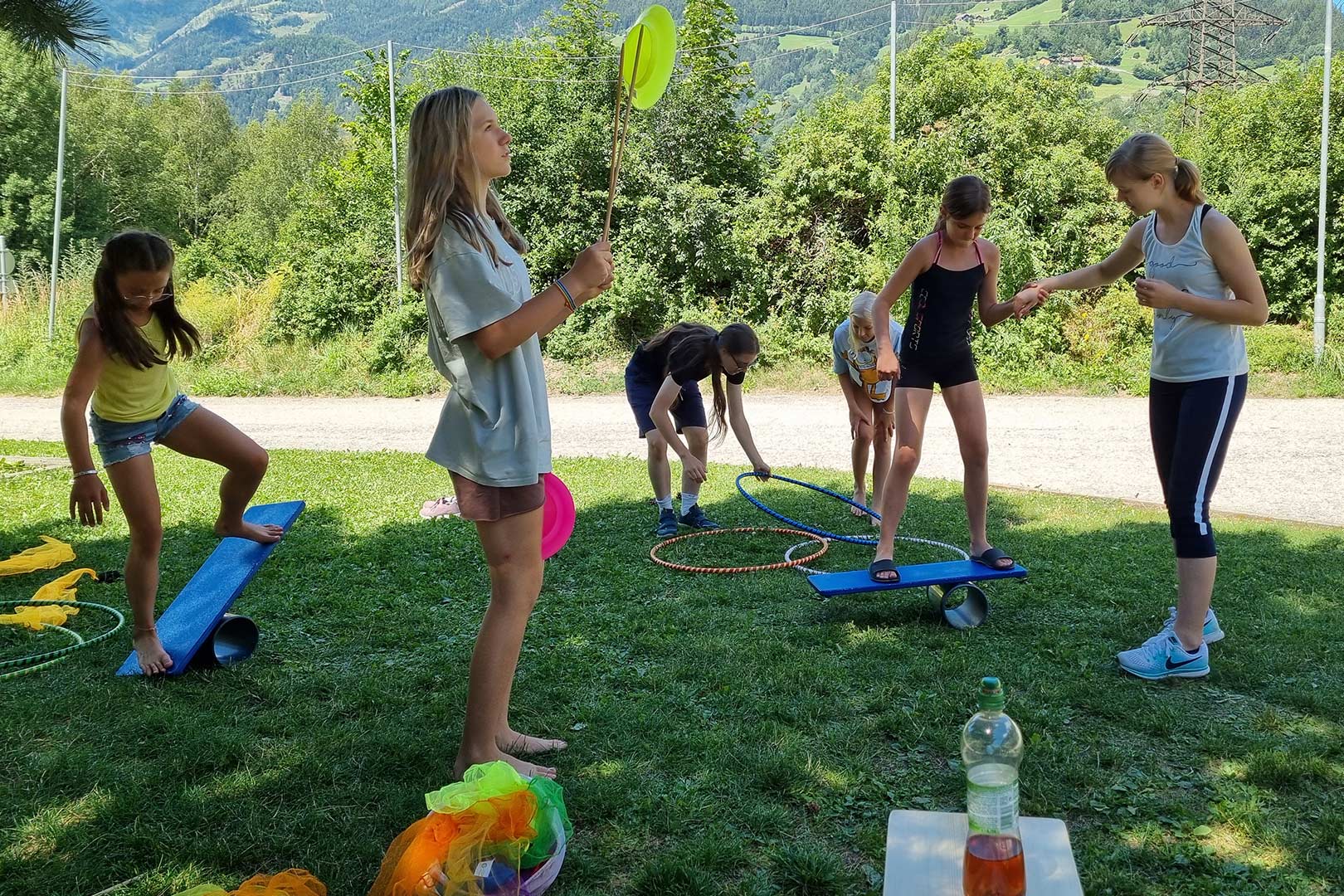
Circuscamp
Flattach

Accent Français Teens & Juniors — Montpellier
Montpellier
Duke of Edinburgh Gold Residential – The Towers, Snowdonia
Betws-y-coed