Check-in and check-out are typically on Sundays, unless alternative arrangements have been agreed in advance. For overnight bookings, airport transfers are included and arranged by Sol Camps.
Alternative arrival and departure dates may be considered case by case. For individual bookings, Saturday arrivals are possible with an additional one-night fee. Discounts are not available for shortening the duration of a stay. For group bookings, non-Sunday arrivals or departures must be confirmed in advance.
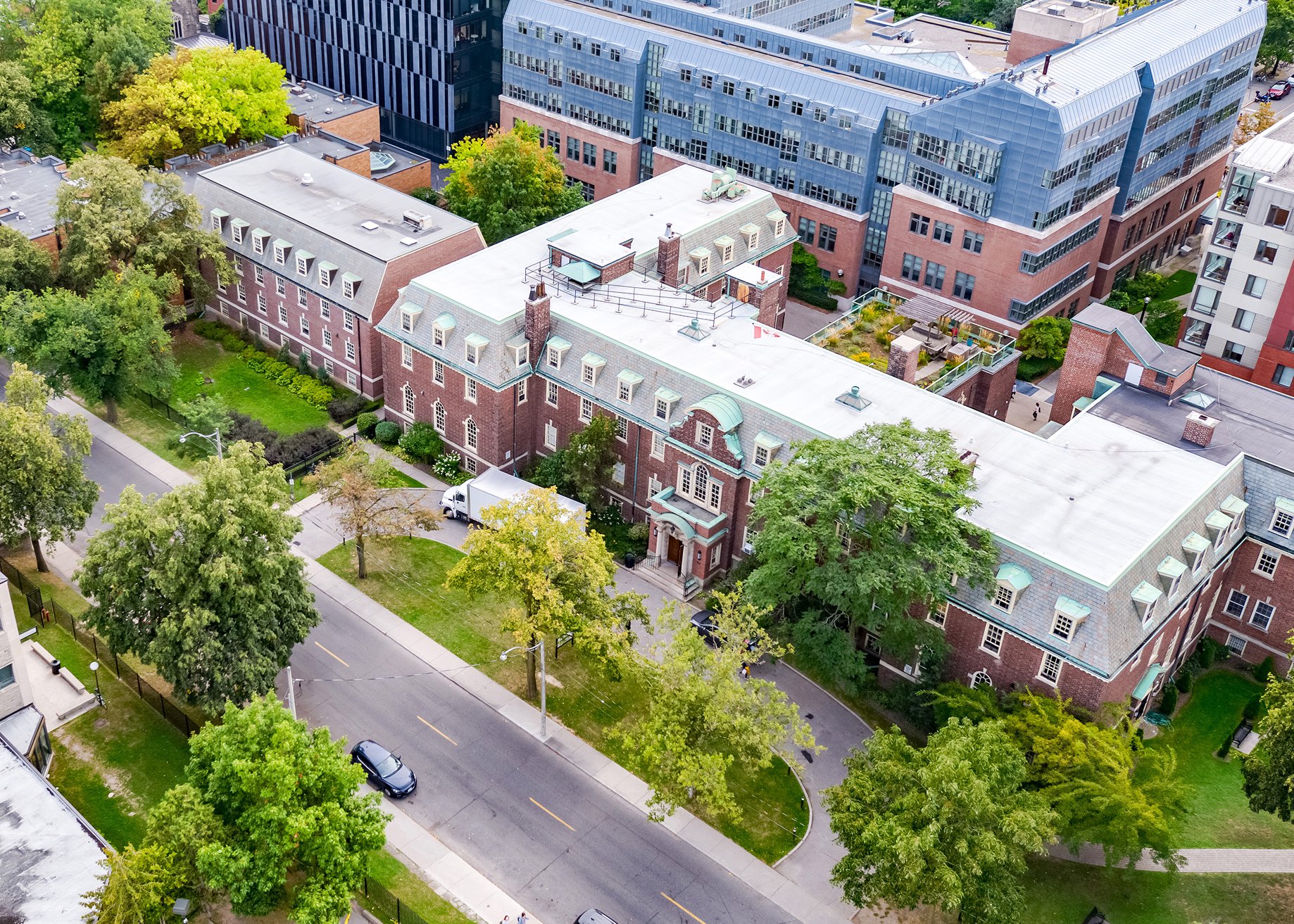
The operator publishes single, double and triple room options on campus. In its FAQ for Toronto it states that male students stay in twin rooms with shared washrooms and female students in single rooms with shared washrooms, and notes that accommodation options may be subject to change.
Sol Camps assigns student rooms. A room or roommate request can be submitted, but the camp cannot guarantee that every request is accommodated.
Full board on campus. Breakfast, buffet lunch and dinner are served with a rotating menu, and packed meals or food vouchers are provided on excursion days. With advance notice the catering team provides vegetarian, Halal, Kosher, gluten-free and other dietary options.
Students may spend free time in their rooms or classrooms but cannot leave campus unaccompanied. For short trips, such as visiting a convenience store, a staff member accompanies them.
Yes. Smartphones are allowed, and WhatsApp is used for communication between staff and students. Smartphones are generally not permitted during lessons unless the teacher gives permission.
The camp assesses individual circumstances to decide whether it can provide the appropriate level of support, and is generally able to accommodate students with ADHD and ADD. Other learning, developmental or mental health conditions require an individual assessment. Accessibility varies by destination, so requirements should be discussed before booking.
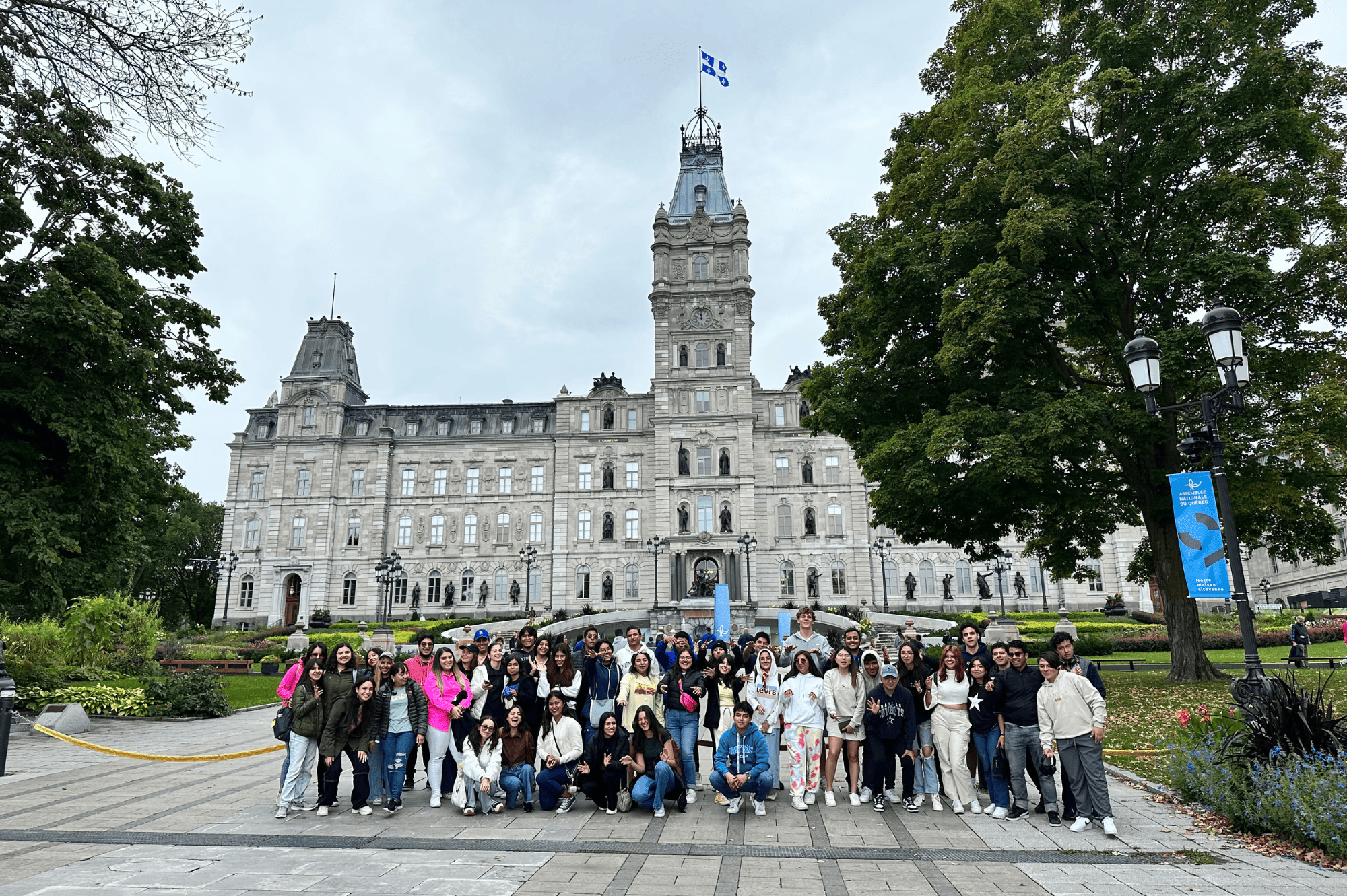
Students have come from more than 34 countries. Where possible the camp aims to limit any single nationality to roughly 30% of the student population; the exact mix varies by destination and session.