Upcoming dates not published yetAdventure CampsArt CampsSport Camps

Camp Osada in Kobyłocha, Masuria

Kobyłocha, PolandCampy CHRIS

Notify me when new dates are published

We'll let you know when this camp adds new dates.

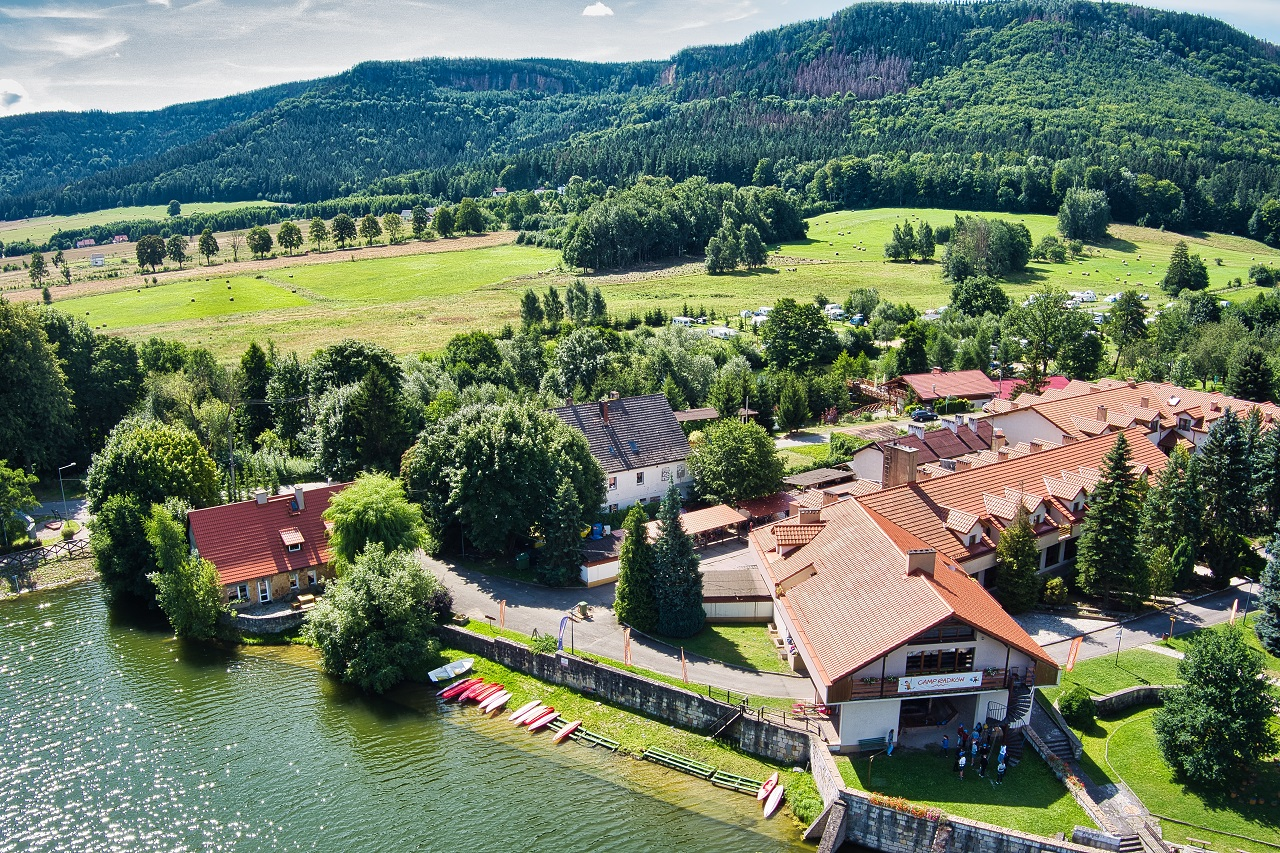
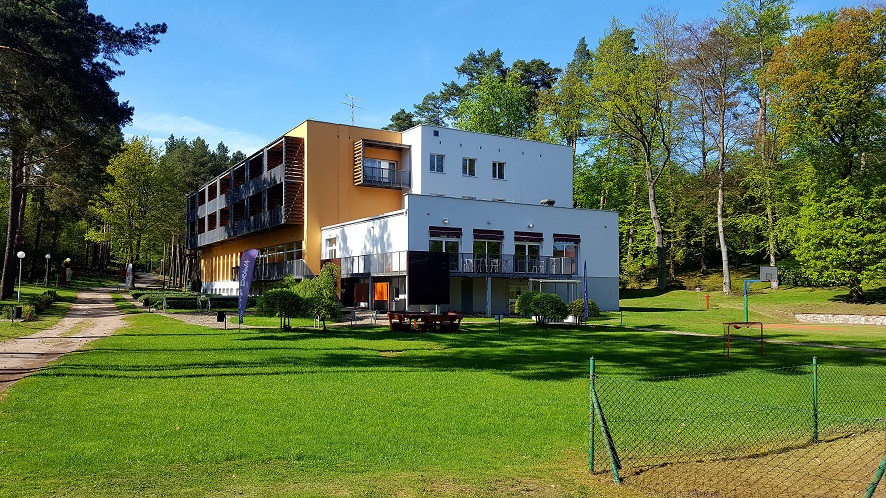
Camp Osada is one of the eight camp centres owned by the Polish organiser Campy CHRIS, and the organiser calls it the most intimate of them all. It stands on the edge of the village of Kobyłocha near Szczytno, right on the shore of Lake Sasek Wielki, which is under a quiet zone; forest full of birds and wild animals closes the grounds in on the other side. The lake has a gentle shoreline and shallow water that runs a long way out, which is what the centre is built around for its young campers. The grounds cover five hectares, are fenced and guarded, and only participants and staff are on site - group leaders, instructors, a camp manager, medical cover around the clock, a water lifeguard, technical staff and a night watchman. A single-storey main building holds the rooms, the canteen and a hall with a kitchen annexe where the cooking sessions are held; around it stand camping cabins with their own bathrooms, the tented Imps' Village, a roofed shelter, gazebos, marquees for activities, the port, an angling jetty, a workshop, an archery range and the pitches. About two thirds of the site is a wooded clearing the children named the Wild Forest, where the bivouac and survival sessions take place. The centre opened in 2014 and takes children aged seven to twelve.

Program type

Adventure Camps, Art Camps

Accommodation

Campus

About

About the Course

Programmes at Camp Osada are organised by age and by theme, and each one is booked as a whole session. The age-group camps are Elfy (7-10) and Smoki (11-12). Alongside them run two themed camps: First Adventure - Chochliki (8-11), a week-long camp under canvas for young explorers, and Wróżki (8-10), which the organiser addresses to girls. The organiser has built the programme around four blocks of activity - water, team and field games, creative work, and survival - and counts about eighteen activities the participant can choose between. Participants of Elfy and First Adventure share their accommodation with their group leaders. The organiser does not publish a language of instruction or a number of lessons for these programmes, and none has been assumed here.

What’s Included

A session covers accommodation at the centre, full board in the camp canteen, the activity programme with its equipment and instructors, the care of group leaders who live with the children, a camp manager, medical cover around the clock and a water lifeguard. Coach travel is organised by the operator and departs from Nadarzyn and from Łódź; a pick-up at a designated place in the area of Mława can be arranged if reported at least two weeks before the session starts. Equipment hire and other paid extras are priced separately by the organiser.

Accommodation

Participants sleep either in cabins for seven to eight children with their own bathroom, or in rooms in the main building for four to six children; both have single and bunk beds. Participants of the First Adventure - Chochliki camp sleep in eight-person tents fitted with beds, lockers and electricity, in the part of the grounds the organiser calls the Imps' Village. Participants of the Elfy and First Adventure camps share their accommodation with their group leaders, who the organiser says are there to keep them safe and to see that each child is comfortable during the stay. Rooms are allocated by the camp manager, who takes gender and age into account.

Meal Plan

All three meals a day - breakfast, lunch with a dessert and dinner - are served as a buffet with a wide choice of healthy dishes, and vegetables from the camp's own greenhouse appear on the table regularly. Vegetarian meals are prepared on request. Between the main meals the canteen keeps sandwiches, warm tea and water available, and after the evening activities there is a late snack the organiser calls podkarmiaczka. Water is available at marked points on the grounds during the day.
Activities & Excursions

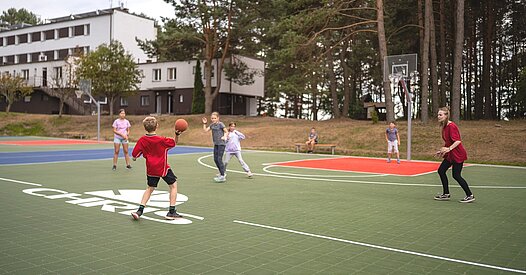
The water block runs on Lake Sasek Wielki from the centre's own port: BB and touring kayaks, big SUPs, a guarded bathing area with a water slide and an angling jetty, with the activities set to each age group and the shallow shoreline doing much of the work. On land there is a football pitch, a court for badminton and ringo, a beach volleyball court, two archery ranges, a sports trampoline and a playground. The creative block runs in marquees given over to music and dance, nature, handicraft and upcycling, with a woodwork workshop and a kitchen for the cooking sessions. The survival block has its own ground: about two thirds of the site is a wooded clearing the children named the Wild Forest, used for bivouac and survival work. There is also a common room with a small library.

Facilities

The grounds hold a port with BB and touring kayaks, big SUPs, a guarded bathing area with a water slide and an angling jetty; a football pitch, a court for badminton and ringo, a beach volleyball court, two archery ranges, a sports trampoline and a playground; a woodwork workshop and a kitchen for cooking sessions; marquees for music and dance, nature, handicraft and upcycling; a roofed shelter and gazebos; a common room with a small library; the Wild Forest, a wooded clearing kept for survival sessions; and a drying room for clothes. The single-storey main building holds the rooms, the canteen and the hall with a kitchen annexe.

Camp Experience

Camp Osada is the smallest and quietest of the organiser's centres, and the one built for its youngest campers: a shallow, gently shelving lake under a quiet zone, forest on the other side, and leaders who sleep in the same cabins and rooms as the youngest groups. Two thirds of the site is left as the Wild Forest, so the survival and bivouac sessions happen on the grounds rather than somewhere the children are driven to. Running through the camp is the organiser's own Camp Badges programme: bronze, silver and gold badges earned in a chosen speciality. Phones and electronics are limited and kept in the camp safe outside set times, families reach their child through the camp telephones, and during the season the organiser posts daily photo reports from the camps on its website.

Included items

  • 24/7 supervision
  • Arts & Crafts
  • Badminton
  • Football
  • Hiking
  • Cafeteria
  • Games area
  • Medical Centre
  • Outdoor fields

School

Campy CHRIS logo

Campy CHRIS

Campy CHRIS is a Polish camp organiser based in Piaseczno near Warsaw, trading as «CHRIS» Turystyka i Rekreacja. It has run residential camps for children and teenagers since 2001, when its first camp opened on Lake Serwy. The organiser now has eight camp centres of its own, surrounded by nature and built specifically for running camps rather than rented for the season. Every site is fenced and guarded, with trained group leaders and instructors, a camp manager, medical cover available 24/7, a water lifeguard and technical staff including a night watchman on site. Programmes are grouped by age and by theme, and participants compose their own daily camp timetable from the activity blocks on offer. The organiser also runs its own Camp Badges scheme, in which a child earns a bronze, silver or gold badge in a chosen speciality during the session, and publishes daily photo reports from every camp on its website so parents can follow the session.

Location

Map showing camp locationKobyłocha 11K, 12-100 Szczytno, Poland, Kobyłocha

Frequently Asked Questions

Coaches leave from Nadarzyn and from Łódź. The organiser offers a pick-up at a designated place in the area of Mława, and asks that it be reported in advance, at the latest two weeks before the session starts.

Either in camping cabins for seven to eight children with their own bathroom, or in rooms in the main building for four to six children, both with single and bunk beds. Participants of the First Adventure - Chochliki camp sleep in eight-person tents fitted with beds, lockers and electricity, in the part of the grounds the organiser calls the Imps' Village. The youngest groups share their accommodation with their group leaders.

The organiser states the camp has a gentle shoreline and very safe, shallow water running a long way out into the lake. The bathing area is guarded, a water lifeguard is on the staff, and the water activities are set to each age group.

It is the name the children gave to the wooded clearing that takes up about two thirds of the grounds. The organiser keeps it for the bivouac and survival sessions, so that part of the programme happens on the camp's own ground.

Vegetarian meals are prepared on request, and gluten-free and lactose-free diets on the basis of a medical certificate, all at no extra charge. Because of the number of participants the organiser does not offer selective or combined diets. Any dietary information is to be entered on the child's qualification card. Vegetables from the camp's own greenhouse appear on the buffet regularly.

Yes. Between the main meals the camp canteen keeps sandwiches, warm tea and water available, and after the evening activities there is a late snack the organiser calls podkarmiaczka. Water is available at marked points on the grounds during the day.
More about this camp

Camp Osada is one of the eight camp centres owned by Campy CHRIS, a Polish camp organiser working since 2001, and the organiser calls it the most intimate of them. The centre opened in 2014 and takes children aged seven to twelve. There are two age camps, Elfy and Smoki, and two week-long themed camps: First Adventure - Chochliki, which sleeps under canvas in the Imps Village, and Wróżki, which the organiser addresses to girls. The programme is built on four blocks - water, team and field games, creative work and survival - with about eighteen activities the child can choose between. The lake has a gentle shoreline and shallow water running a long way out, and the centre has its own port with BB and touring kayaks, big SUPs, a guarded bathing area with a water slide and an angling jetty. On land there are a football pitch, a court for badminton and ringo, a beach volleyball court, two archery ranges, a sports trampoline and a playground, with marquees given over to music and dance, nature, handicraft and upcycling, a woodwork workshop and a kitchen for the cooking sessions. About two thirds of the site is a wooded clearing the children named the Wild Forest, kept for bivouac and survival work. Children sleep in camping cabins with their own bathrooms or in rooms in the single-storey main building, and the youngest groups share their accommodation with their group leaders.