Instituts d'été du lycée WashU à Saint-Louis
St. Louis, États-UnisWashington University in St. Louis — Pre-College Programs
- Dernières dates publiées
- 14 juin – 25 juil. 2026
- Durée
- 2 semaines
- Âge
- 15–18
$1 993
Par semaine pour un séjour de 2 semaines
Vendu par forfaits à partir de 2 semaines — $3 985
Research Development Institute
Nous vous préviendrons dès que le camp ajoutera de nouvelles dates.
Les instituts d'été WashU High School sont des programmes résidentiels de deux semaines sur le campus Danforth de l'Université de Washington à St. Louis, Missouri. Les étudiants de deuxième année, les juniors et les seniors du secondaire choisissent un institut sans crédit et le poursuivent en profondeur avec des professeurs d'université dans des classes d'environ quinze à vingt participants. Les instituts sont proposés dans les domaines de la recherche avancée, des études anciennes, du travail créatif, des études environnementales et du développement de la recherche, avec des blocs de deux semaines en juin et en juillet. Les participants vivent dans des résidences universitaires climatisées, mangent sur le campus et participent à des programmes d'enrichissement construits autour des compétences préparatoires à l'université, ainsi qu'à des présentations de professeurs, des visites de centres de recherche universitaires et des visites d'institutions à travers Saint-Louis. Les frais du programme couvrent les frais de scolarité, le logement, les repas et toutes les activités du programme.
Langue
English
Type de programme
Camps artistiques, Camps scientifiques / STEM
Hébergement
Campus
À propos
À propos du cours
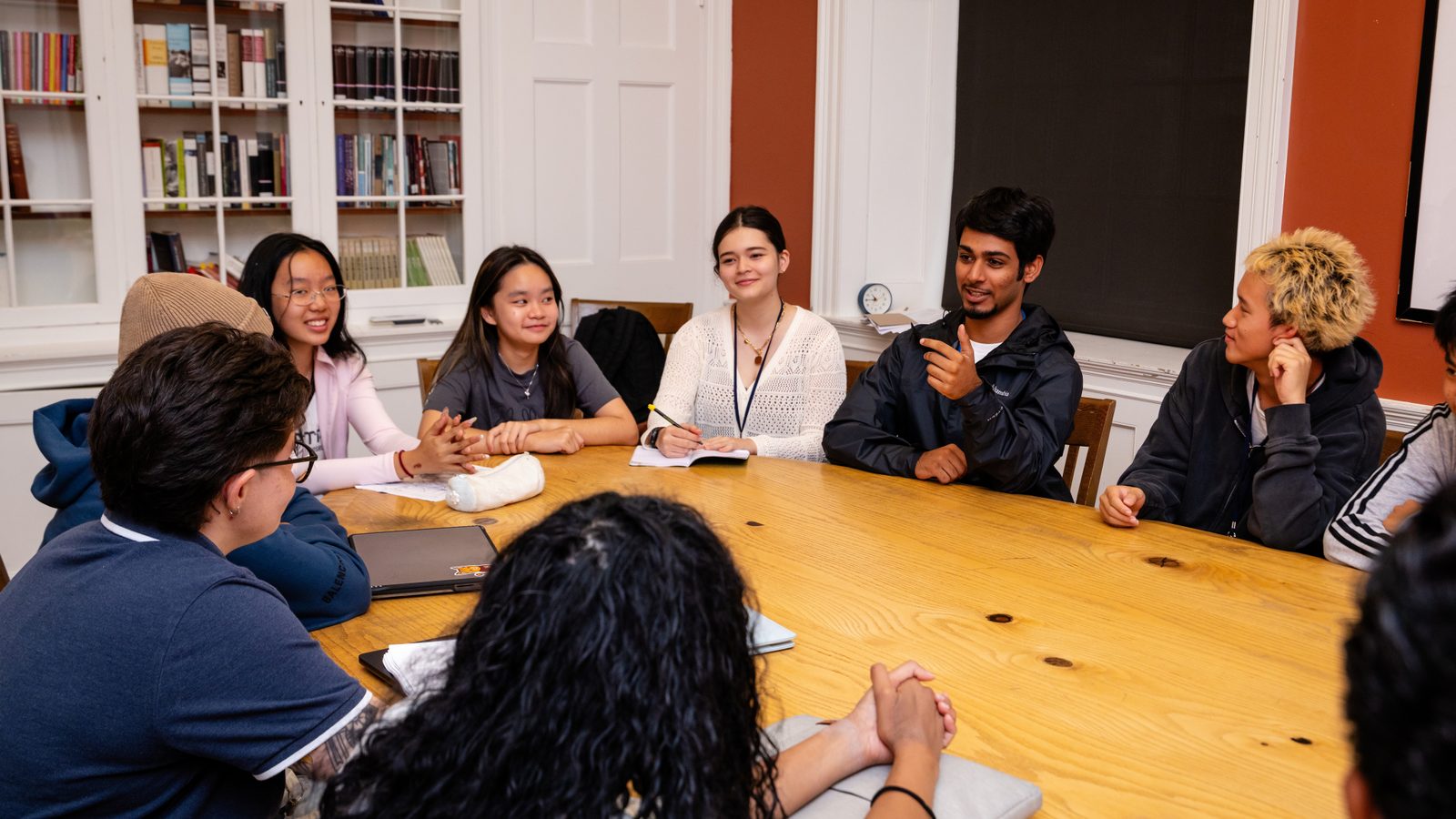
Chaque institut est une matière unique non créditée étudiée intensivement pendant deux semaines avec des instructeurs de la division Arts et Sciences de l'université. Les classes sont petites, généralement de quinze à vingt participants, les commentaires sont donc personnels et axés sur la discussion. Parce que les instituts ne donnent pas droit à des crédits, il n’y a pas de notes alphabétiques ; les participants sont évalués sur leur assiduité, leur participation et le travail qu'ils produisent, ce qui met l'accent sur la curiosité plutôt que sur les transcriptions. Les offres tournent et le cycle actuel couvre la recherche avancée, les études anciennes, le travail créatif, les études environnementales et le développement de la recherche.
Ce qui est inclus
Les frais du programme couvrent les frais de scolarité pour l'institut choisi, le logement sur le campus, les repas et toutes les activités du programme, de sorte que les familles budgétisent un chiffre plutôt que plusieurs. Les voyages à destination et en provenance de Saint-Louis, les manuels scolaires, les fournitures de cours et les dépenses personnelles ne sont pas inclus. Des frais de dossier non remboursables s’appliquent au moment du dépôt de la candidature. Une bourse d'études basée sur les besoins est offerte, et les participants qui reviennent ainsi que les enfants des employés universitaires éligibles bénéficient d'une réduction de dix pour cent.
Hébergement
Les participants vivent sur le campus dans l'une des résidences climatisées de l'université pendant deux semaines complètes, supervisés par le personnel du programme. Le type de chambre n'est pas publié par le fournisseur, la configuration exacte est donc confirmée auprès du bureau du programme avant l'arrivée. Vivre dans les couloirs fait partie du but : les participants partagent les repas, l'espace d'étude et les programmes de soirée avec le reste de leur cohorte.
Restauration
Les repas sont inclus dans les frais du programme et pris dans les restaurants du campus. Le prestataire ne publie pas de menu détaillé ni de liste d'options diététiques préparées par un traiteur.
Activités et excursions
Au-delà de la salle de classe, les instituts proposent des programmes d'enrichissement conçus autour des compétences préparatoires à l'université, ainsi que des extras académiques liés au sujet : présentations de professeurs, visites de centres et d'instituts de recherche universitaires et visites d'organisations de Saint-Louis engagées dans le domaine étudié. La programmation du soir et du week-end est organisée par le personnel résidentiel.
Installations
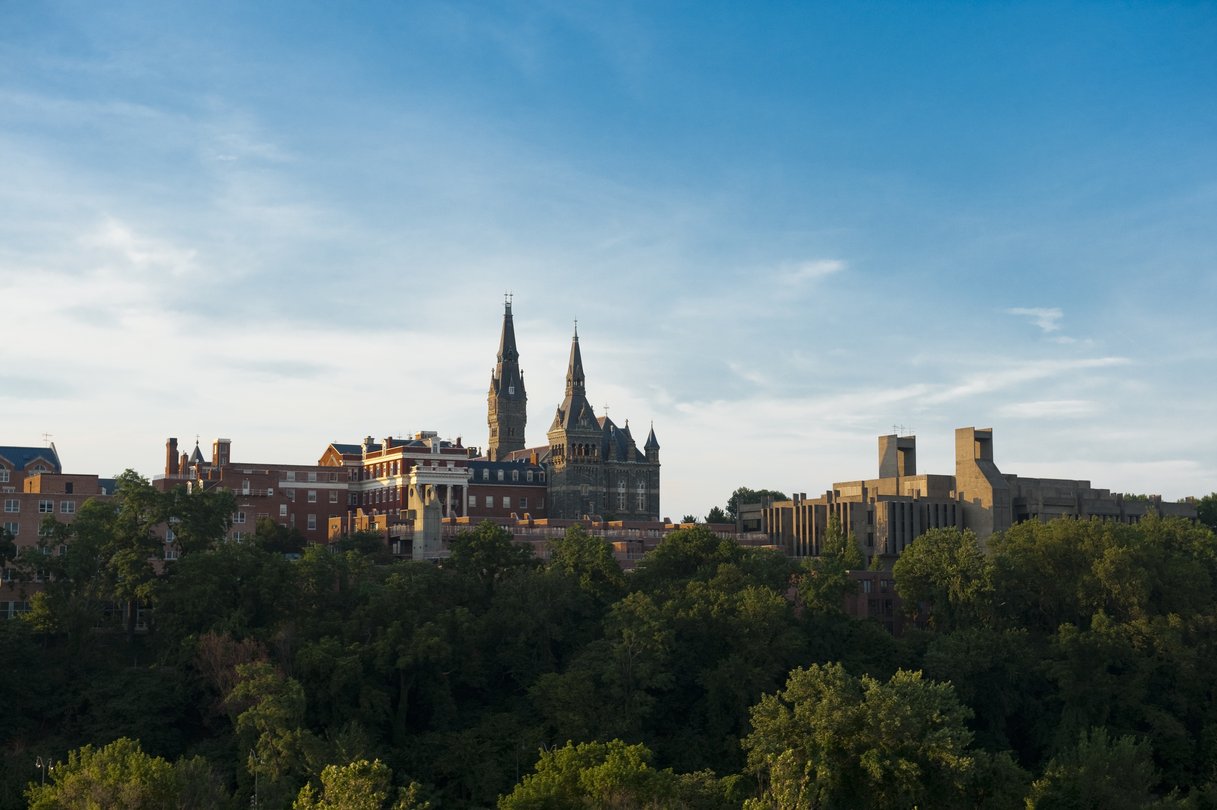
Les programmes utilisent le campus Danforth à Saint-Louis : salles d'enseignement dans les bâtiments des arts et des sciences, restaurants du campus et résidences universitaires où vivent les participants. L'accès aux centres et instituts de recherche du campus s'effectue dans le cadre de plusieurs instituts à travers des visites organisées.
Expérience au camp
Les instituts conviennent à un étudiant qui souhaite tester à quoi ressemble réellement une étude universitaire dans une matière, sans la pression d'une note. Deux semaines, c'est assez long pour approfondir et vivre de manière indépendante sur un campus, mais suffisamment court pour s'adapter à d'autres projets d'été. Les cohortes sont petites et mixtes, attirant des participants de partout aux États-Unis et d'autres pays, et l'élément résidentiel signifie que le travail académique est partagé avec le même groupe au dîner et en soirée.
Tarifs du camp linguistique
Research Development Institute
15–18 ans · C1–C2Tarif 2026
A two-week noncredit introduction to how scholarly research is designed and carried out: forming research questions, choosing methods, working with sources and presenting findings. It is the foundation institute that prepares participants for the Advanced Inquiry Institute.
Programme quotidien
Petit-déjeuner
07:00–08:00
Cours
08:30–12:30
Déjeuner
12:30–13:30
Dîner
18:30–19:30
Activités du soir
20:00–22:00
Extinction des feux
22:30
Inclus
Options supplémentaires
École

Washington University in St. Louis — Pre-College Programs
L'Université de Washington à St. Louis est une université de recherche privée dont la division Arts et Sciences dirige depuis quatre décennies des programmes pré-universitaires pour les lycéens et collégiens motivés. Le portefeuille comprend des options avec ou sans crédit dans les domaines des sciences humaines, sociales et naturelles, offertes sous forme de résidences, de trajets quotidiens et de formats en ligne sur le campus de Danforth à St. Louis, Missouri. Les participants en résidence vivent dans des résidences universitaires avec climatisation et étudient dans de petites classes dirigées par des enseignants de l'université.