University of Chicago Pre-College Summer Programmes in Hyde Park
Chicago, United StatesUniversity of Chicago Summer Session — Pre-College
- Latest published dates
- Jun 13 – Jul 11, 2026
- Duration
- 1–4 weeks
- Ages
- 14–17
$2,500
Course price for 1 week
1 Week Enrichment
We'll let you know when this camp adds new dates.
The University of Chicago Summer Session runs its Pre-College residential programmes on the university's Hyde Park campus in Chicago. High-school students live in a university residence hall, take a university-level or enrichment course taught by UChicago faculty and lecturers, and join a supervised residential community with staff on site around the clock. Programmes range from one to four weeks in summer, from short enrichment courses to a four-week research practicum, with weekday classes plus campus tours, city excursions and evening events organised by residential and programme staff.
Language
English
Program type
Art Camps, Science / STEM Camps
Accommodation
Campus
About
About the Course
Four residential formats sit side by side on the Hyde Park campus. Enrichment runs for a week and is non-credit, built around leadership, civil discourse and quantitative reasoning. The two-week Experience pairs morning teaching with afternoons alongside practitioners and Career Advancement staff. The three-week Immersion is an undergraduate-level course from the university catalogue, taught by UChicago faculty and lecturers with discussions, projects and field trips. The four-week Practicum is research-led, with laboratory work in the biological sciences or field palaeontology with Field Museum staff. Students are admitted to one course or programme for the summer.
What’s Included
The published programme fee covers tuition, housing in a university residence hall and dining. On the three-week and four-week residential programmes the university adds blanket accident, injury and sickness insurance and the cost of that cover sits inside the fee; students on the one-week and two-week residential programmes arrange their own cover. Travel to and from campus, required course materials and personal spending are not included, and international families should also budget for visa costs. Students living in the Chicago area may apply to commute on the two-week and three-week programmes at a lower published rate. Need-based aid is limited, partial and applied to the programme fee only.
Accommodation
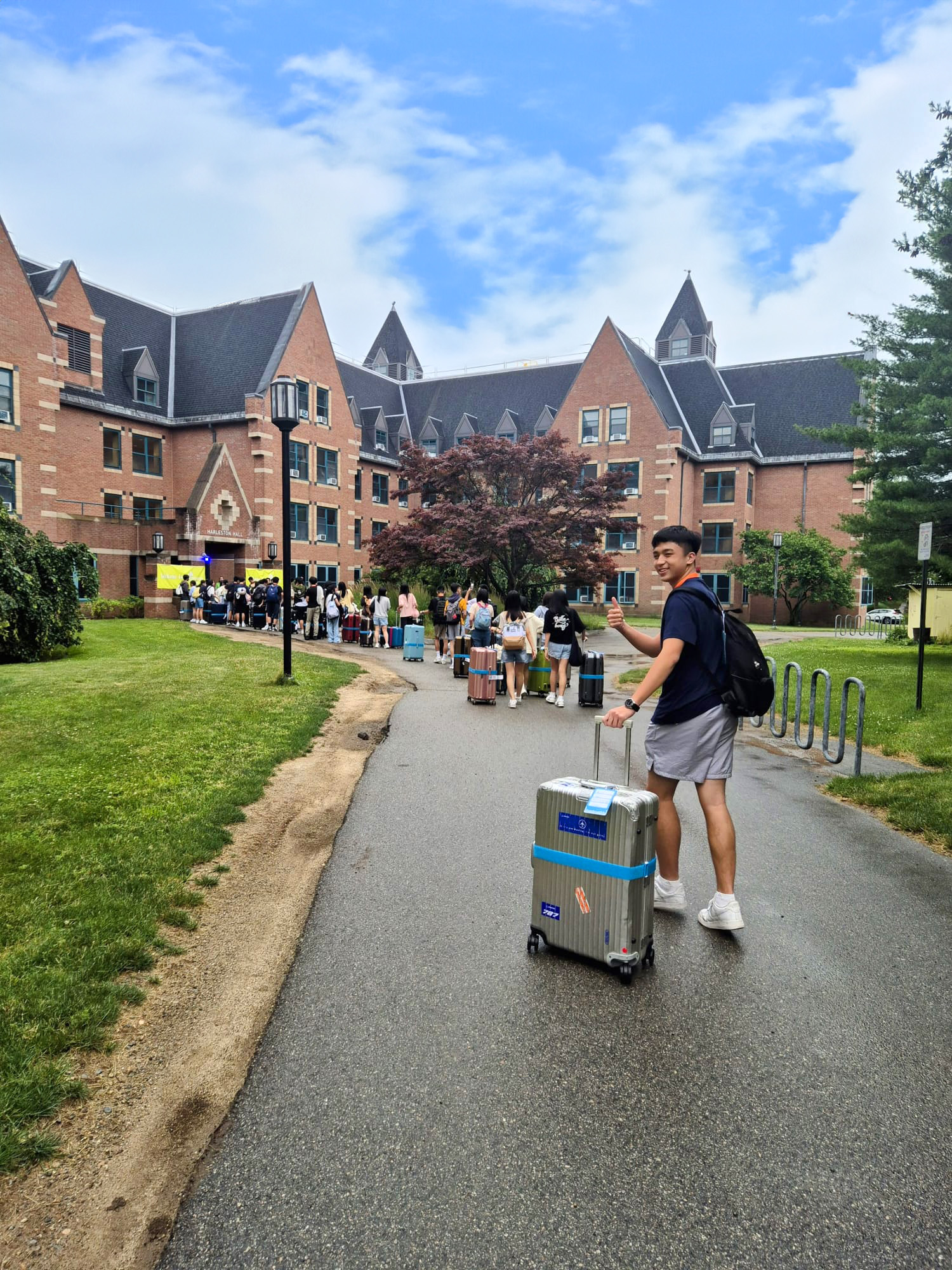
Residential students live in university residence halls on the Hyde Park campus, in single or double rooms. Each room has a desk, dresser, closet, bed, linens, blanket and pillow, with extra-long single beds. The halls include a residential courtyard, centrally located common rooms for programmes and events, several lounges, recreation rooms, vending machines, a front desk staffed twenty-four hours and a dining commons close by. Laundry facilities with washing machines and dryers are available to students. Under-eighteens and adult students are housed separately, and the provider confirms the halls in use ahead of each season.
Meal Plan
Dining is part of the programme fee. Students eat at the dining commons close to the residence halls, and participants on the shorter one-week and two-week programmes also have access to the residence hall and dining hall alongside the rest of the campus community.
Activities & Excursions
Days are academic first: teaching runs on weekdays, and on the longer programmes students should expect a full day of course-related work. Around that, afternoons on the enrichment week typically bring a campus tour, an excursion into another part of Chicago, or a hands-on activity tied to the subject. Evenings are given over to activities and events planned by residential and programme staff, or to open social time in the House. Orientation opens each programme with activities designed to connect students with each other and with the residential team.
Facilities
Students use the university campus in Hyde Park: residence halls with courtyards, lounges, common rooms and recreation space, a nearby dining commons, university libraries and other campus spaces. A Student Services Fee gives access to Student Health and Counseling Services and to the libraries. Laundry rooms are available in the residence halls, and front desk staff are on duty around the clock.
Camp Experience
This is a university campus experience rather than a traditional summer camp. Students join a global community of high-school peers, take intellectual risks in a supportive setting, and work at a level beyond the usual high-school curriculum. The residential team, including a Director of Residential Programs, Assistant Residential Directors, desk staff and Residential Assistants, is accessible at all hours. Orientation attendance is compulsory for residential and commuter students alike.
Language Camp prices
4 Week Practicum
5 Lessons · 15–17 yrs · C1–C22026 price
The longest residential option: a four-week, hands-on research programme for students who want sustained laboratory or field experience.
Classes and laboratory sessions run Monday to Friday, with a published schedule of 9:00 am to 5:00 pm.
Practicum courses are intensive and research-led. Students learn advanced laboratory techniques in Research in the Biological Sciences, or work in the field in Wyoming alongside Field Museum palaeontologists in Stones and Bones.
Daily Schedule
Breakfast
07:00–08:00
Classes
08:30–12:30
Lunch
12:30–13:30
Dinner
18:30–19:30
Evening activities
20:00–22:00
Lights out
22:30
Included items
Optional Extras
School

University of Chicago Summer Session — Pre-College
The University of Chicago runs pre-college programmes for high school students through its Summer Session. Residential options range from a one-week enrichment format to two-, three- and four-week programmes on the Hyde Park campus in Chicago, alongside a Summer Language Institute, online courses and partner programmes. Eligibility is defined by current grade rather than age, and commuter places are offered to students living in the Chicago area.