Hotchkiss Summer Portals
Lakeville, United StatesThe Hotchkiss School Summer Portals
- Dates
- Jun 27 – Jul 24, 2027
- Duration
- 2 weeks
- Ages
- 11–18
$2,425
Course price for 1 week
Shortest stay: 2 weeks — $4,850
Speech and Debate
Hotchkiss Summer Portals is a residential summer programme on the campus of The Hotchkiss School in Lakeville, Connecticut. Each intake runs for two weeks and a student takes a single course for the whole intake: laboratory genetics, environmental field science, advanced environmental research, robotics, model rocketry, aircraft design and structural engineering, the physics of the electric guitar, piano performance, observational drawing, speech and debate, writing, or baseball analytics. Mornings and early afternoons are academic; late afternoons and evenings are supervised activities on the school's playing fields, in the Mars Athletic Center, at the lake and on the school farm. Students live in the school dormitories, eat in the dining hall with faculty, and are looked after by Summer Fellows and an on-call physician and nurse. Tuition covers the room, the meals, course expenses, health centre needs and most on- and off-campus activities.
Age
11–18 yrs
Language
English
Program type
Art Camps, Science / STEM Camps
Accommodation
Campus
About
About the Course
A student takes one course for the whole of a two-week intake and stays with it from start to finish. Teaching runs in two blocks, mid-morning and early afternoon, with Saturday mornings included, and it is taught by Hotchkiss faculty and by instructors from partner institutions such as the Cold Spring Harbor Laboratory DNA Learning Center and Grand Central Atelier. The choice spans laboratory genetics, environmental field science and advanced environmental research, robotics, model rocketry, aircraft design, the physics of the electric guitar, baseball analytics, piano performance, observational drawing, speech and debate, and writing. Several courses end in something the student takes away: a built electric guitar, a competition-legal rocket, a flown remote-control aircraft, a digital drawing portfolio, a finished speech, a first draft of a research paper. A student may take two courses across the two intakes, but not two in the same one.
What’s Included
Tuition is all-inclusive. It covers the dormitory room, all meals in the dining hall, course expenses and materials, health centre care, and the afternoon, evening and weekend activities that the whole programme shares, including the off-campus trips a course builds in. Travel to and from campus is arranged by the family. A separate application fee is charged once per application and is listed under extras. A small number of specialised afternoon options carry an additional fee, because the school hires extra staff or buys extra materials for them; the school does not publish those amounts, so they are not listed here — ask us and we will request them.
Accommodation
Students live in the school’s dormitories on campus. Roommates are assigned by the Director of Residential Life wherever possible, so most students share a twin room, and a student is given the dormitory assignment and introduced to the roommate on arrival. Each room has a bed, mattress, bureau, desk, desk chair, telephone and closet space. The mattress is a twin extra-long and bed linens are not provided: families bring pillow, bedding and towels, or mail them ahead of arrival. Laundry facilities are in the basement of most dormitories and students bring their own detergent; there is no laundry service in the summer. Basic toiletries can be bought at the campus store on the lower level of the Main Building.
Meal Plan
All meals are taken in the school dining hall, with peers and faculty at the same tables. Breakfast, lunch and dinner are part of the day’s required check-ins on weekdays and Saturdays, and Sunday runs to a brunch and a dinner. Meals are included in tuition and there is no separate meal plan to buy. The kitchen draws part of its produce from the school’s own Fairfield Farm.
Activities & Excursions
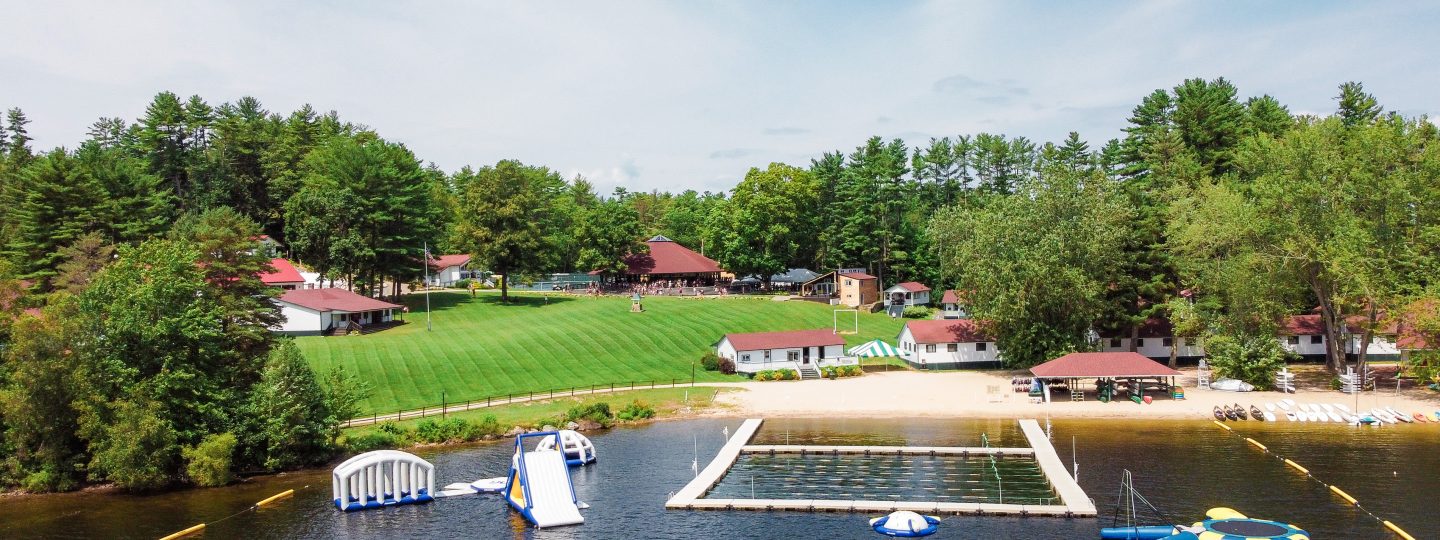
Late afternoons and evenings are activity time, and taking part is expected rather than optional. Students swim in the pool and in the lake, play basketball, intramural soccer, beach volleyball, wiffle ball and kickball, hike the school’s trails, do arts and crafts, sing karaoke, watch films and sit round bonfires. Weekends bring events on campus and outings to the surrounding area, and several courses build their own trips: a professional baseball game and the Baseball Hall of Fame for the analytics course, a research institute and a forest laboratory for advanced environmental science, and a concert series for the pianists. An advisory group meets daily between class and activities.
Facilities
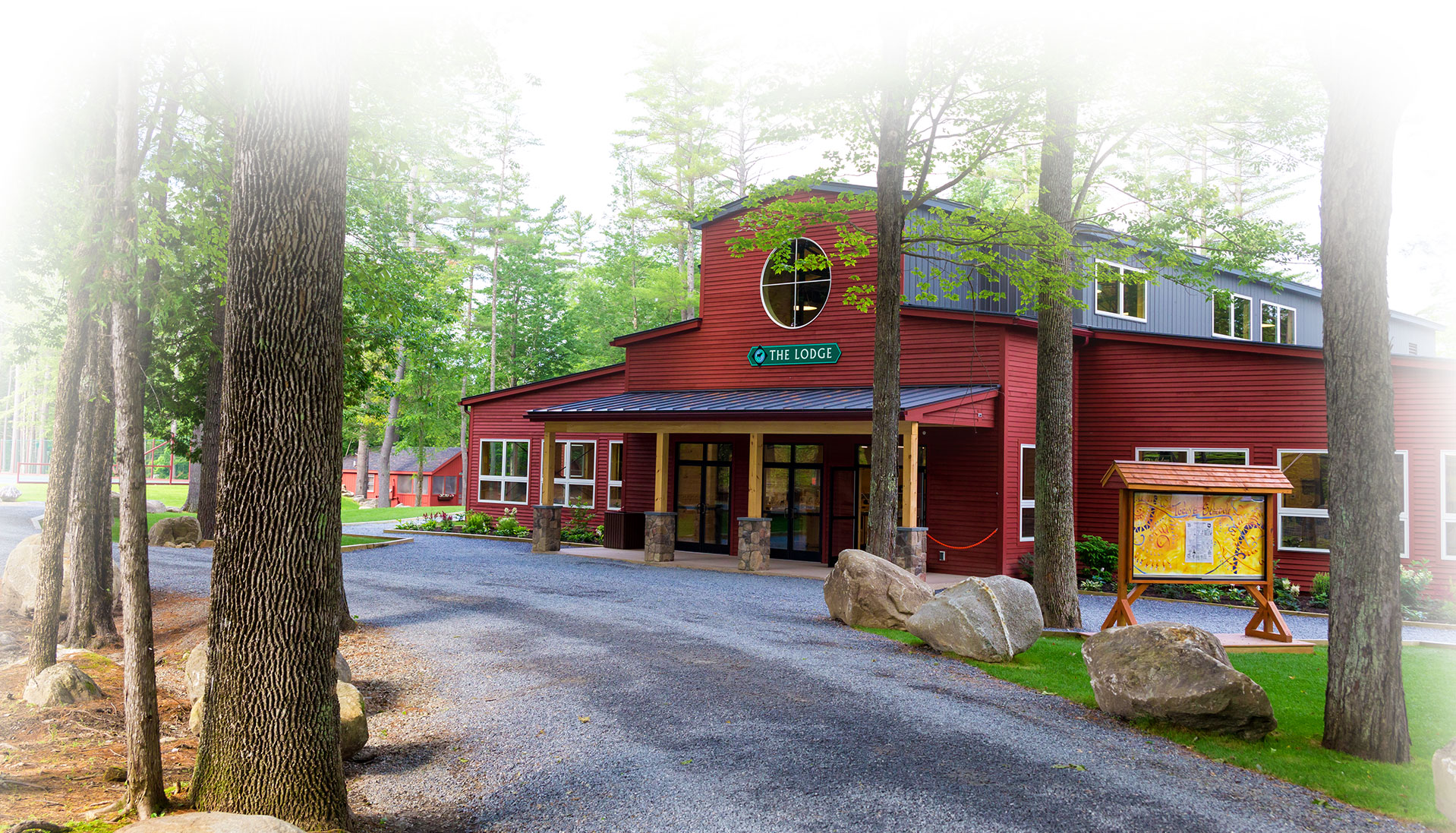
The campus covers more than eight hundred acres of forests, pastures, streams and lakes in the Berkshire foothills, and Portals uses the same buildings as the school year. Science courses work in the Griswold Science Building and in the school’s EFX fabrication laboratory, an engineering space built for science fabrication projects; art courses work in the Cullman Art Center; pianists perform in Katherine Elfers Hall on a Fazioli 308 concert grand. The Edsel Ford Memorial Library has carrels, group study rooms, media rooms and online databases. The Mars Athletic Center holds the sports halls and the pool, which opens when a lifeguard is on duty. The Wieler Health Center runs a weekday clinic with a reduced weekend schedule, and the Portals physician and nurse are on call at all hours; a hospital is an eight-minute drive away. There is a dining hall, a campus store and a campus post office.
Camp Experience
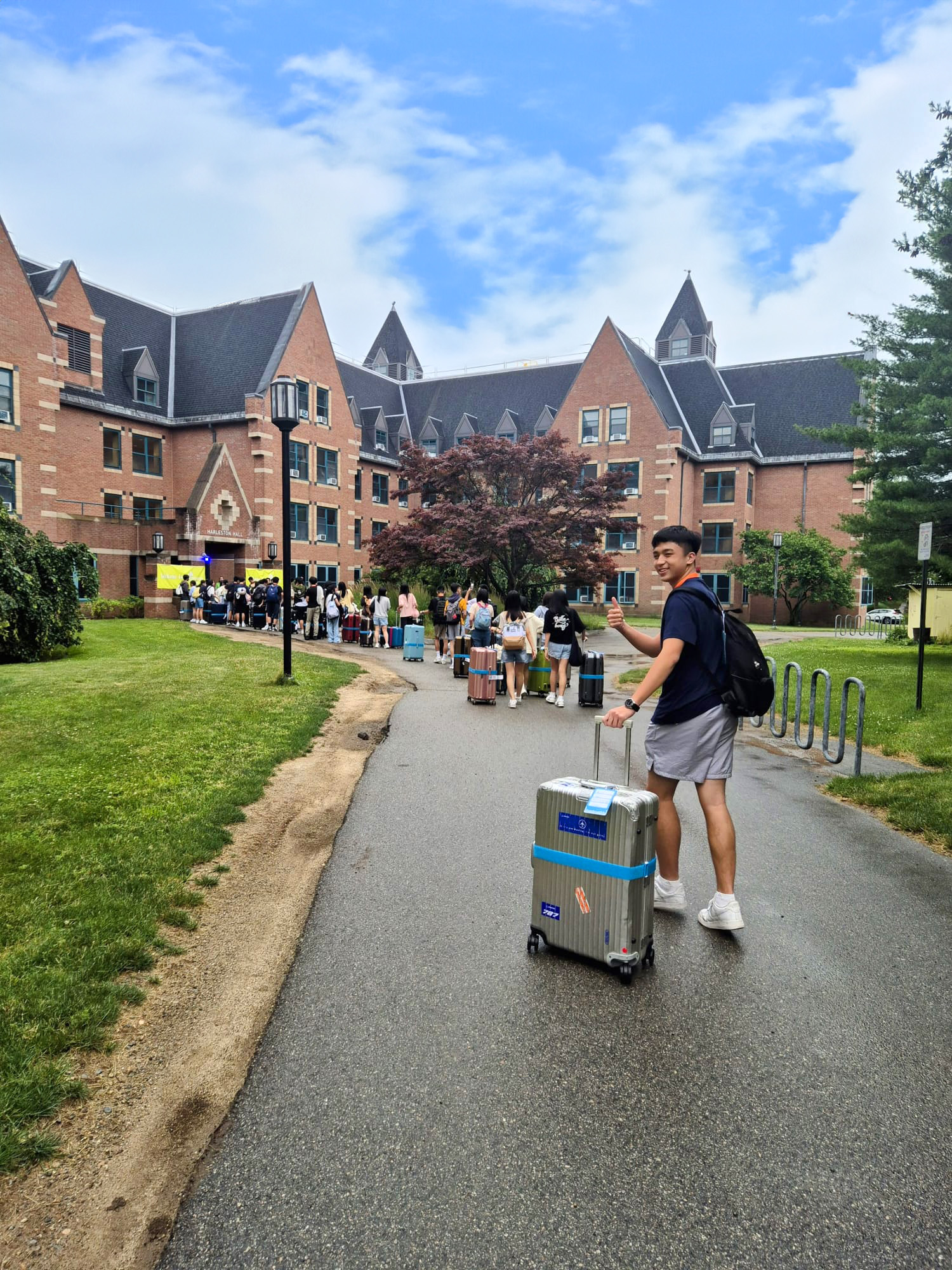
The programme is deliberately narrow and deliberately unplugged. A student spends two weeks on one subject, with the people who do that subject for a living, and the structure of the day — check-ins, advisory, mandatory activities, dormitory check-in at night — leaves a lot of room inside it. Phones, laptops and tablets are handed in at registration and returned near the end of the session, with class-time exceptions for courses that need a machine; the school’s reasoning is that two weeks is short enough that friendships have to form fast, and they form in conversation. Students come from across the United States and from abroad, and the debating and laboratory work is done alongside them. Faculty and Summer Fellows live on the corridors and meet arrivals in the Main Circle on opening day.
Language Camp prices
Rocketry
36 Lessons · 12–18 yrs · B2–C2Price from
Students learn the fundamentals of model rocketry by designing, building, painting and flying a rocket built to the rules of the American Rocketry Challenge. They run flight simulations to optimise the design, then fly the finished rocket to test the simulation, and leave able to form a team and compete at their own school.
Academic Programming runs 9:00 a.m.–12:00 p.m. and 1:15–3:00 p.m. Monday to Friday, and 9:00 a.m.–12:00 p.m. on Saturday: 26 hours 45 minutes of class a week. Expressed in the 45-minute lesson unit this catalogue uses for comparison, that is 36 lessons a week. Hotchkiss publishes the day in clock hours rather than in lessons, so the lesson figure is a conversion of the school's own timetable, not a count the school states. Sunday has no academic programming. Students take one course per two-week session.
Daily Schedule
Breakfast
07:00–08:00
Classes
08:30–12:30
Lunch
12:30–13:30
Dinner
18:30–19:30
Evening activities
20:00–22:00
Lights out
22:30
Included items
Optional Extras
Photos
School

The Hotchkiss School Summer Portals
The Hotchkiss School is an independent boarding and day school in Lakeville, Connecticut, founded in 1891 and set on a campus of more than 800 acres of forests, pastures, streams and lakes in the Berkshire foothills. Its summer arm, Hotchkiss Summer Portals, runs residential academic and arts courses for middle-school and early high-school students, taught by Hotchkiss faculty and by partner institutions such as the Cold Spring Harbor Laboratory DNA Learning Center. Portals students live in the school dormitories, eat in the dining hall, and work in the same Griswold Science Building, Cullman Art Center, Edsel Ford Memorial Library and Mars Athletic Center that the school year uses. Tuition is all-inclusive of room, board, course expenses, health centre needs and most on- and off-campus activities.
Location
Video
Similar camps

More about this camp
Price from $2,425