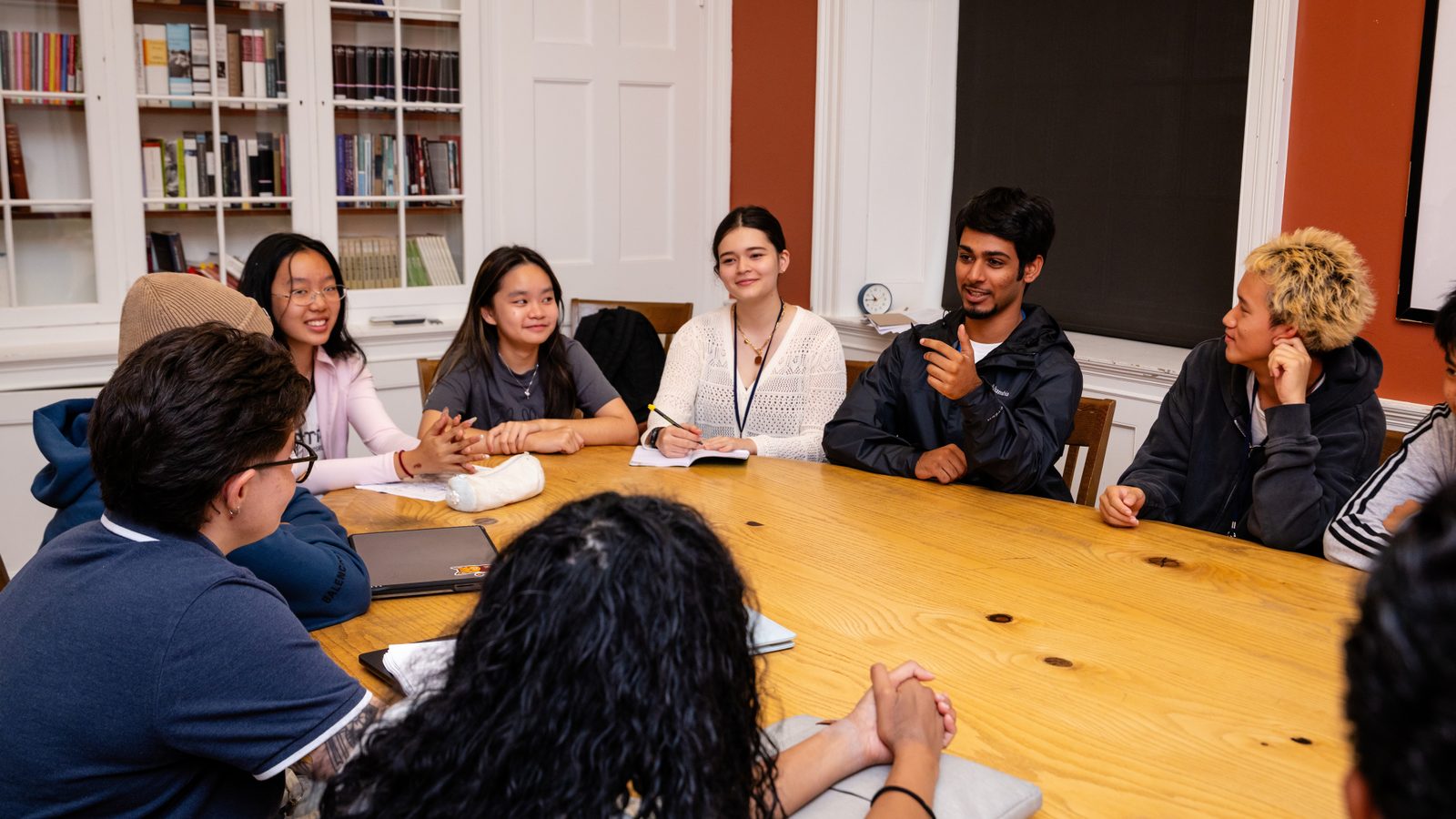
Campers are bright, kind children and teens who need extra social support — most identify as neurodivergent, often with an autism spectrum profile (ASD Level 1), ADD/ADHD or a social-based learning difference such as NLD. They enjoy being around peers but often struggle to build deeper friendships.
No. The camp does not require a diagnosis; the directors consider the whole child through conversations with the family and, where helpful, the professionals who know them.
Campers are ages 9 to 17 — from completing third grade through completing tenth grade.
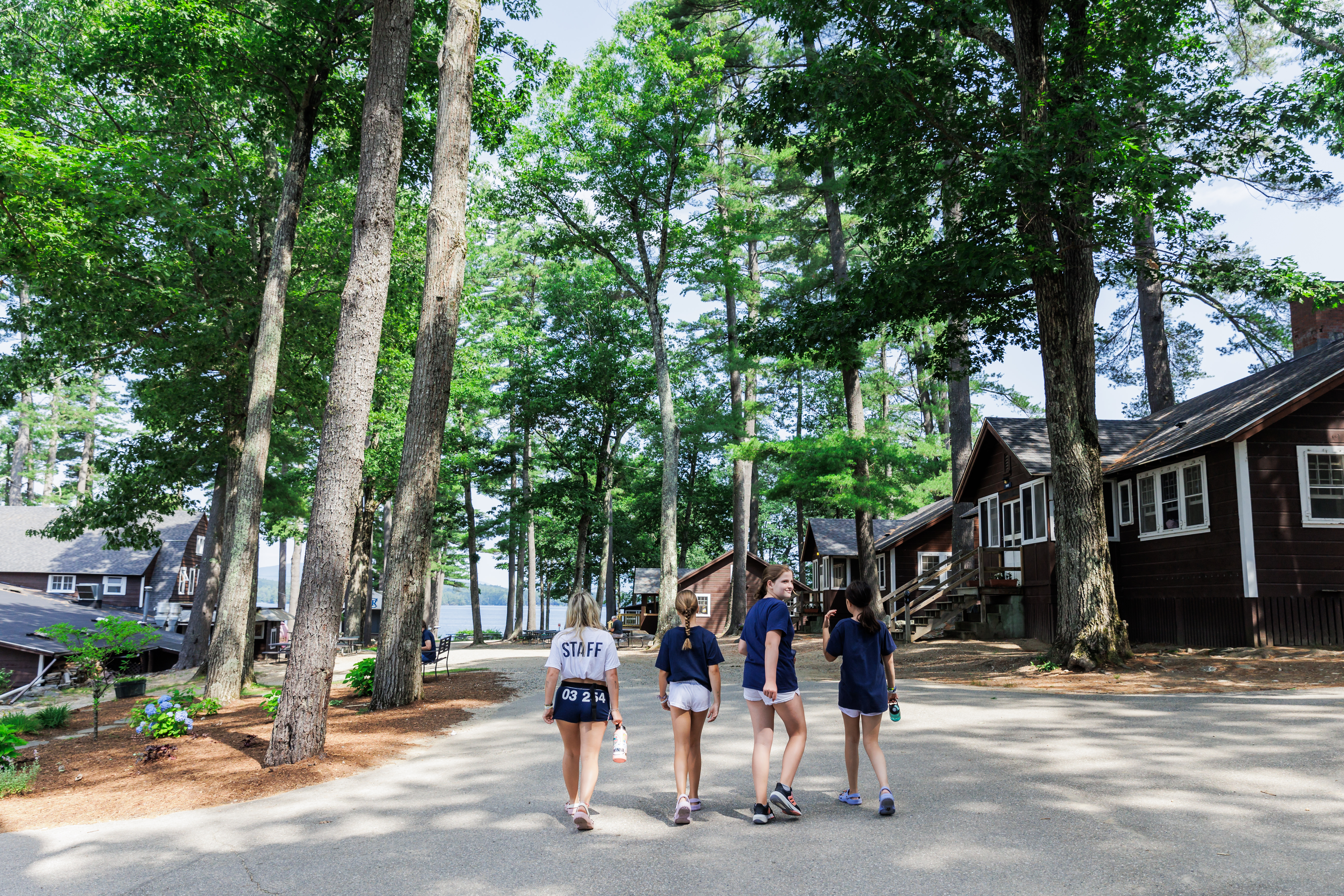
In a recently renovated cabin with private bathrooms and showers. Each cabin holds up to nine campers with four counsellors; bunk placement is planned during admissions and campers are usually grouped by grade level.
Through ordinary camp life rather than lessons. There are no academic components and no single curriculum: staff spot the moments when a camper can use guidance, coach them through it and help them reflect afterwards, with goals agreed with each family.
Electronics are not allowed at camp, with three exceptions: screenless music players, e-readers and digital cameras.
Vermont-licensed nurses live at camp and dispense all medication. A doctor, dentist and orthodontist are available nearby, the local emergency response team is about five miles away and Dartmouth-Hitchcock Medical Center about 25 minutes.
Coach buses leave from selected locations with staff aboard, one way to camp at the start of the session. Families may also drive their child to camp.