Institutos de verano de la escuela secundaria WashU en St. Louis
St. Louis, Estados UnidosWashington University in St. Louis — Pre-College Programs
- Últimas fechas publicadas
- 14 jun – 25 jul 2026
- Duración
- 2 semanas
- Edad
- 15–18
$1993
Por semana en una estancia de 2 semanas
Se vendía en paquetes desde 2 semanas — $3985
Research Development Institute
Te avisaremos cuando el campamento añada nuevas fechas.
Los institutos de verano de WashU High School son programas residenciales de dos semanas en el campus Danforth de la Universidad de Washington en St. Louis, Missouri. Los estudiantes de segundo, tercer y cuarto año de secundaria eligen un instituto sin créditos y lo estudian en profundidad con instructores universitarios en clases de aproximadamente quince a veinte participantes. Los institutos se ofrecen en investigación de investigación avanzada, estudios antiguos, trabajo creativo, estudios ambientales y desarrollo de investigaciones, con bloques de dos semanas en junio y julio. Los participantes viven en residencias universitarias con aire acondicionado, comen en el campus y participan en programas de enriquecimiento basados en habilidades de preparación universitaria, junto con presentaciones de profesores, recorridos por centros de investigación universitarios y visitas a instituciones en todo St. Louis. La tarifa del programa cubre la matrícula, el alojamiento, las comidas y todas las actividades del programa.
Idioma
English
Tipo de programa
Campamentos artísticos, Campamentos de ciencia / STEM
Alojamiento
Campus
Acerca de
Sobre el curso
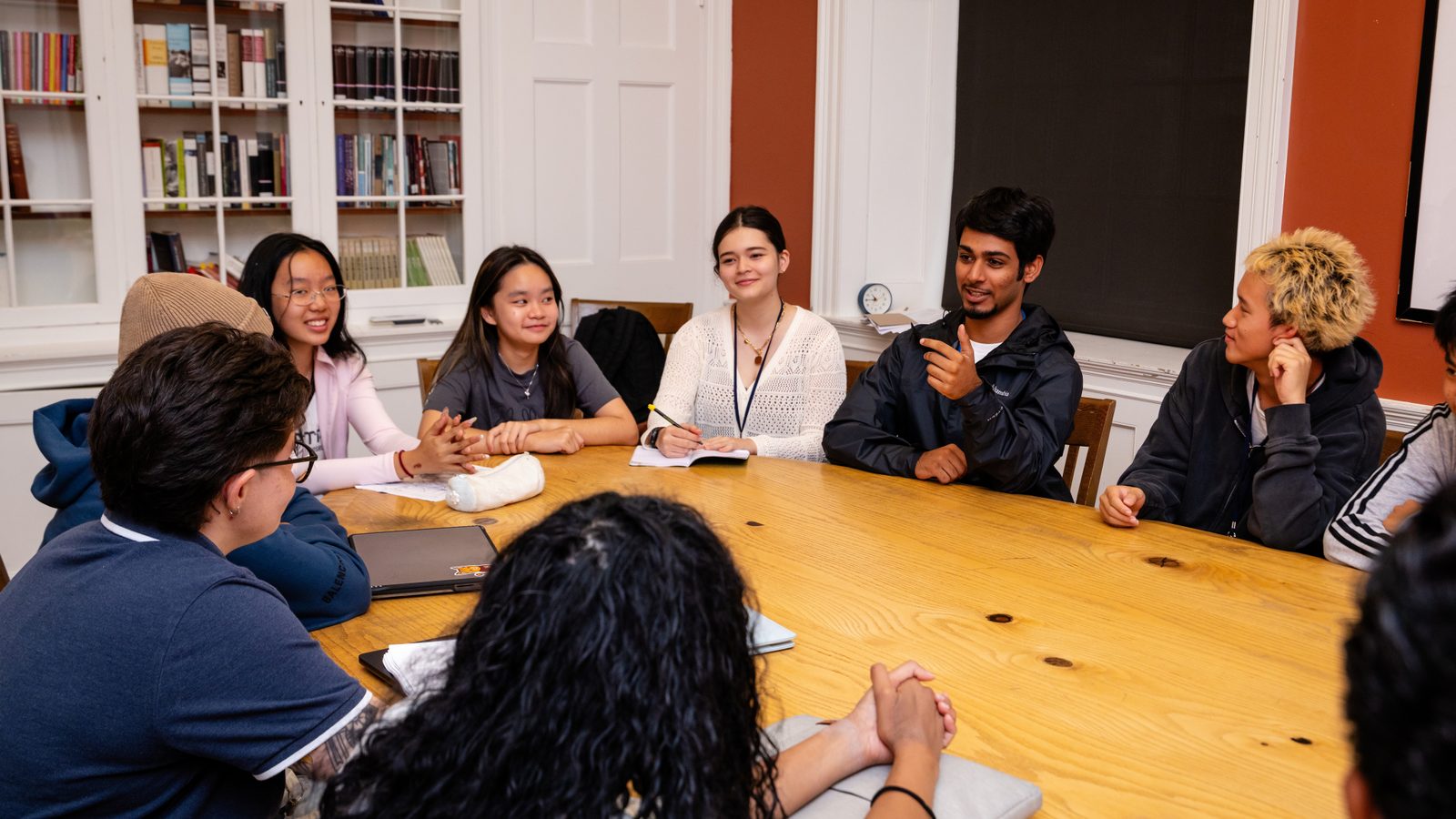
Cada instituto es una única materia sin créditos que se estudia intensivamente durante dos semanas con instructores de la división de Artes y Ciencias de la universidad. Las clases son pequeñas, normalmente entre quince y veinte participantes, por lo que la retroalimentación es personal y se basa en debates. Debido a que los institutos no tienen créditos, no hay calificaciones con letras; Los participantes son evaluados según su asistencia, participación y el trabajo que producen, lo que mantiene el enfoque en la curiosidad en lugar de las transcripciones. Las ofertas rotan y el ciclo actual cubre investigaciones de investigación avanzada, estudios antiguos, trabajo creativo, estudios ambientales y desarrollo de investigaciones.
Qué incluye
La tarifa del programa cubre la matrícula del instituto elegido, el alojamiento en el campus, las comidas y todas las actividades del programa, por lo que las familias presupuestan una cifra en lugar de varias. Los viajes hacia y desde St. Louis, los libros de texto, los útiles escolares y los gastos personales no están incluidos. Se aplica una tarifa de solicitud no reembolsable cuando se envía la solicitud. Se ofrece asistencia con becas según las necesidades, y los participantes que regresan, así como los hijos de empleados universitarios elegibles, reciben un descuento del diez por ciento.
Alojamiento
Los participantes viven en el campus en una de las residencias con aire acondicionado de la universidad durante las dos semanas completas, supervisados por el personal del programa. El proveedor no publica el tipo de habitación, por lo que la configuración exacta se confirma con la oficina del programa antes de la llegada. Vivir en los pasillos es parte del objetivo: los participantes comparten el comedor, el espacio de estudio y la programación nocturna con el resto de su cohorte.
Plan de comidas
Las comidas están incluidas en la tarifa del programa y se toman en los comedores del campus. El organizador no publica un menú detallado ni una lista de opciones dietéticas.
Actividades y excursiones
Más allá del aula, los institutos ejecutan programas de enriquecimiento diseñados en torno a habilidades de preparación universitaria, además de extras académicos relacionados con el tema: presentaciones de profesores, recorridos por centros e institutos de investigación universitarios y visitas a organizaciones en St. Louis involucradas en el campo que se estudia. La programación nocturna y de fin de semana está organizada por el personal residencial.
Instalaciones
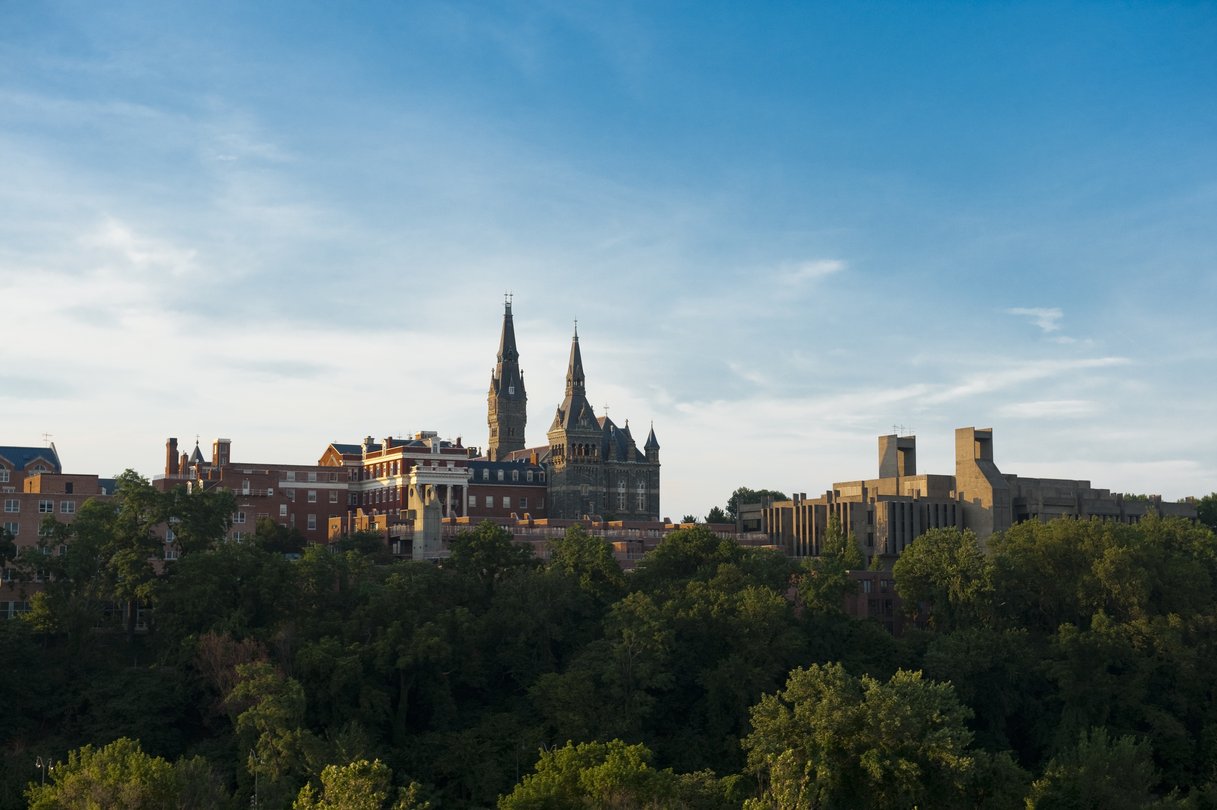
Los programas utilizan el campus de Danforth en St. Louis: salas de enseñanza en los edificios de Artes y Ciencias, comedores del campus y residencias universitarias donde viven los participantes. El acceso a los centros e institutos de investigación del campus se realiza mediante visitas organizadas de varios institutos.
Experiencia en el campamento
Los institutos son adecuados para un estudiante que quiere comprobar cómo se siente realmente estudiar una materia a nivel universitario, sin la presión de una calificación. Dos semanas son suficientes para profundizar y vivir de forma independiente en un campus, pero lo suficientemente cortas como para combinarlas con otros planes de verano. Los grupos son pequeños y mixtos, atraen a participantes de todo Estados Unidos y otros países, y el elemento residencial significa que el trabajo académico se comparte con el mismo grupo durante la cena y por las noches.
Precios del campamento de idiomas
Research Development Institute
15–18 años · C1–C2Precio 2026
A two-week noncredit introduction to how scholarly research is designed and carried out: forming research questions, choosing methods, working with sources and presenting findings. It is the foundation institute that prepares participants for the Advanced Inquiry Institute.
Horario diario
Desayuno
07:00–08:00
Clases
08:30–12:30
Almuerzo
12:30–13:30
Cena
18:30–19:30
Actividades nocturnas
20:00–22:00
Hora de dormir
22:30
Incluye
Extras opcionales
Escuela

Washington University in St. Louis — Pre-College Programs
La Universidad de Washington en St. Louis es una universidad de investigación privada cuyo departamento de Artes y Ciencias ha dirigido programas pre universitarios para estudiantes motivados de secundaria y bachillerato durante cuatro décadas. El portafolio incluye opciones con y sin crédito en humanidades, ciencias sociales y naturales, ofrecidas como formatos residenciales, de tránsito y en línea en el Campus Danforth en St. Louis, Missouri. Los participantes residenciales viven en residencias del campus con aire acondicionado y estudian en clases pequeñas dirigidas por instructores de la universidad.