Johns Hopkins Engineering Innovation — Residential, Hood College
Frederick, United StatesJohns Hopkins Engineering Innovation
- Latest published dates
- Jun 28 – Jul 24, 2026
- Duration
- 27 days
- Ages
- 15–17
$2,496
Per week on a 4-week stay
Sold in packages from 4 weeks — $9,985
We'll let you know when this camp adds new dates.
A four-week residential pre-college programme run by Johns Hopkins University on the campus of Hood College in Frederick, Maryland. Students take Explore Engineering Innovation, a college-level Johns Hopkins course carrying three university credits, taught by instructors with Johns Hopkins faculty appointments. Classes run on weekdays from nine to three; students live in the college residence hall, eat in the campus dining hall and spend evenings and weekends with the residential staff. The curriculum and weekend activities are the same as at the university’s own Homewood campus, which the group visits during the programme.
Language
English
Program type
Science / STEM Camps
Accommodation
Campus
About
About the Course
Students take one college-level Johns Hopkins course for the whole four weeks — Explore Engineering Innovation — and earn three Johns Hopkins University credits. Sustainable Energy Engineering is not offered at this campus. Class runs nine to three on weekdays with a forty-five to sixty minute break for lunch. Instructors hold Johns Hopkins faculty appointments and typically have a doctorate; teaching fellows and assistants, among them local high school teachers, graduate students and former students of the programme, work alongside them. A class holds eighteen to twenty-four students, who work in project teams of up to four, at a stated ratio of twelve students per instructor or better. The school states that the curriculum and the weekend activities are the same as at its Homewood campus.
What’s Included
The figure shown is the school’s own published estimate for a residential place at Hood College, made up of the application fee, tuition and the residential fee, which covers the residence hall and all meals. The school publishes a lower estimate for its commuter format, where the student sleeps at home, and separate estimates for its online and hybrid formats — ask us and we will send the current figures. Health insurance issued by a United States provider is required before enrolment is confirmed and is not part of the estimate. Travel, souvenirs and personal spending are not included.
Accommodation
Students live on the Hood College campus in Memorial Hall, its residence hall, a few steps from the teaching buildings and the dining hall. Rooms are doubles of roughly eleven by sixteen feet and triples of roughly eighteen by eighteen feet, all with centralised air conditioning and heating, and students share a floor bathroom. Two lounges on the ground and first floors have ample seating and a television, and a large kitchen is available for supervised group activities. Roommates are assigned by the Summer Discovery residential staff and specific requests cannot be accommodated; assignments are given out at check-in. Rooms are assigned by the gender the student gives on the application, and the school asks anyone for whom that does not work to contact its office. Students check in on the Sunday before classes begin and may stay until the afternoon of the final day, or until the following morning if travel requires it; the school states plainly that it cannot house students outside those days.
Meal Plan
All meals are included in the residential package, beginning with dinner on check-in day and ending with breakfast on check-out day. Students eat in the Coblentz Dining Hall, an all-you-care-to-eat cafe on the campus: breakfast is served from half past seven to half past eight, lunch falls in the break between classes, and dinner is served over an hour in the early evening. Dietary allergies and restrictions are collected on the application forms.
Activities & Excursions
After class students use the campus athletic facilities, do homework or relax before dinner; evenings belong to the residential staff’s programme, and every Saturday there is a field trip with them. Residential students at this campus also take an excursion to tour the university’s Homewood campus in Baltimore. The school states that the weekend activities are the same as those run at Homewood.
Facilities
The programme uses Hood College’s own teaching buildings, library, dining hall and athletic centre, all within a short walk of the residence hall. Frederick is a small city with a lively downtown, less than an hour from both Baltimore and Washington.
Camp Experience
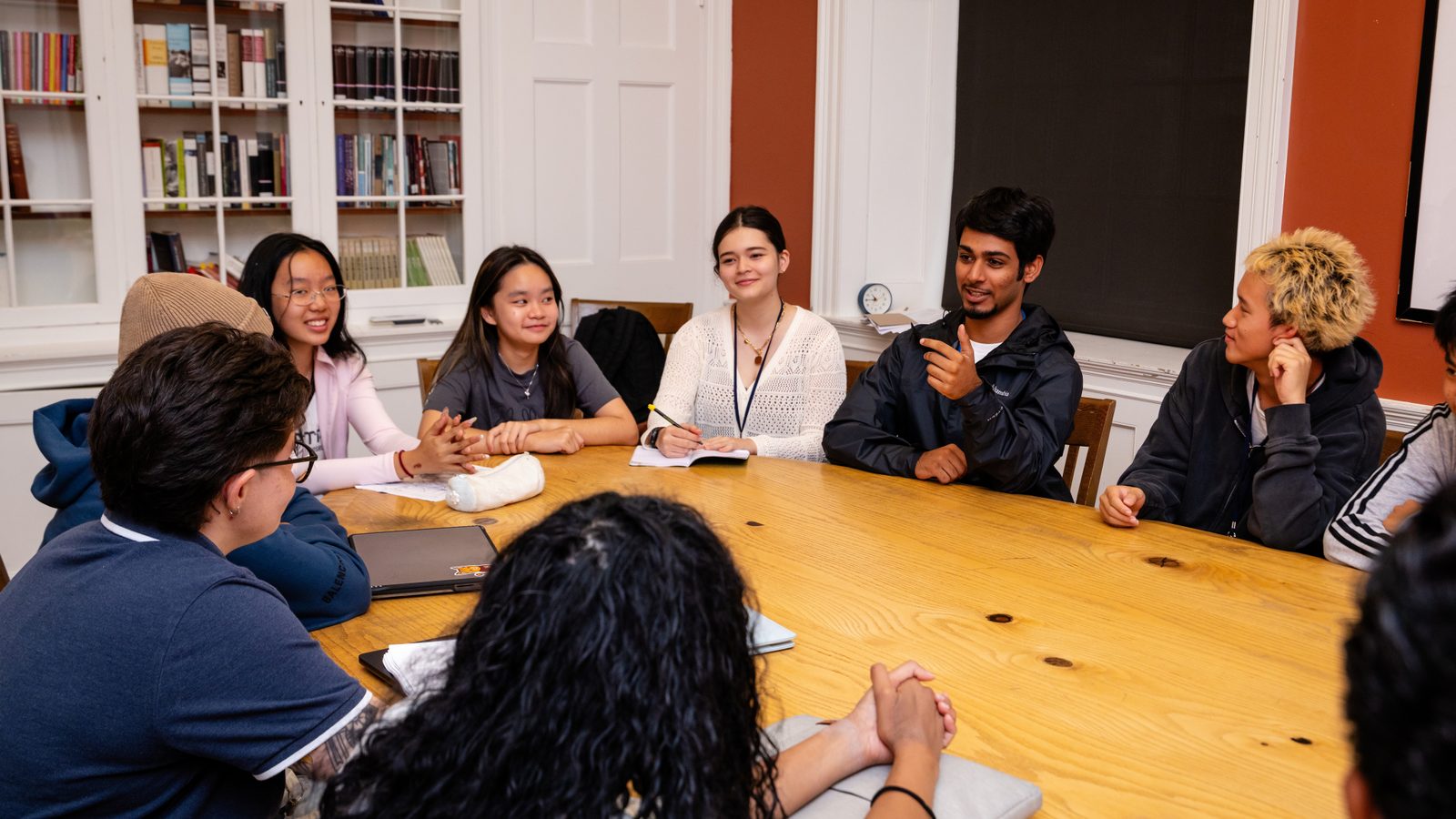
The programme is built to show what an engineering undergraduate’s life is actually like: a real Johns Hopkins course for credit, taught at university pace, alongside students from across the United States and abroad. Residential directors and coordinators support students through the evenings and weekends, while instructors and teaching staff supervise the day. Students are not escorted between the residence hall, classrooms, dining hall, library and athletic centre, but are asked to walk in groups of at least three within the campus area.
Language Camp prices
Explore Engineering Innovation (EEI)
25 Lessons · 15–17 yrs · B2–C22026 price
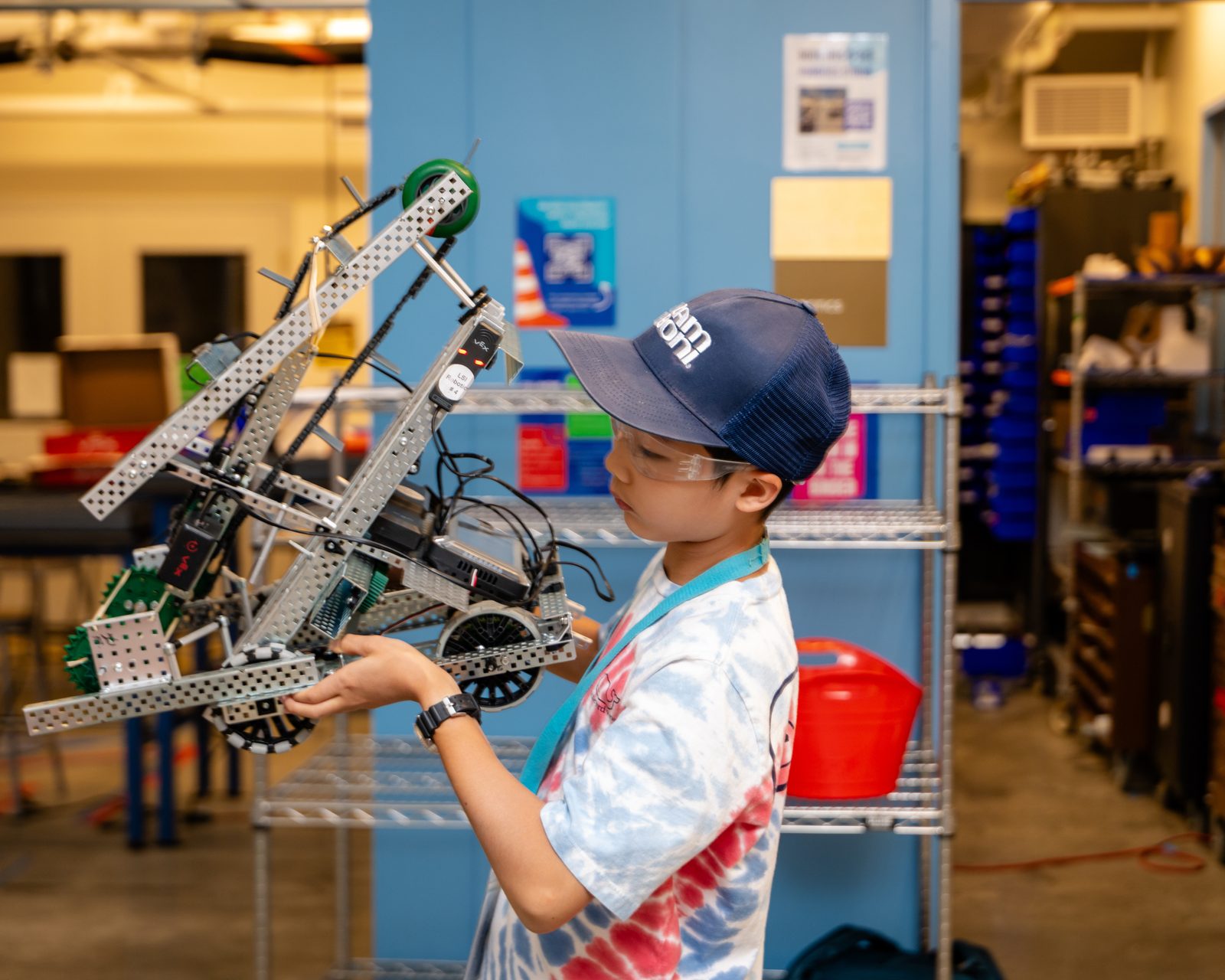
Explore Engineering Innovation is a college-level Johns Hopkins course carrying three university credits. Students work through civil, mechanical, materials, electrical and chemical engineering by building and testing, and the course is assessed as a university course rather than a summer activity. It is the only Engineering Innovation course taught at the Hood College campus.
Class runs from nine in the morning to three in the afternoon on weekdays, with a forty-five to sixty minute break for lunch in the campus dining hall. Students work in project teams of up to four.
Engineering as a practical discipline: bridge building and load testing, materials, circuits and chemical processes, taught by instructors holding Johns Hopkins faculty appointments with teaching fellows and assistants alongside them. A class holds eighteen to twenty-four students at a ratio of twelve students per instructor or better.
Daily Schedule
Breakfast
07:00–08:00
Classes
08:30–12:30
Lunch
12:30–13:30
Dinner
18:30–19:30
Evening activities
20:00–22:00
Lights out
22:30
Included items
Photos
School

Johns Hopkins Engineering Innovation
Engineering Innovation is the pre-college engineering programme of Johns Hopkins University, based in Baltimore, Maryland. It offers courses such as Explore Engineering Innovation, Biomedical Engineering Innovation, Sustainable Energy Engineering and an introduction to Python, delivered in residential, commuter, hybrid and online formats.